
Overview
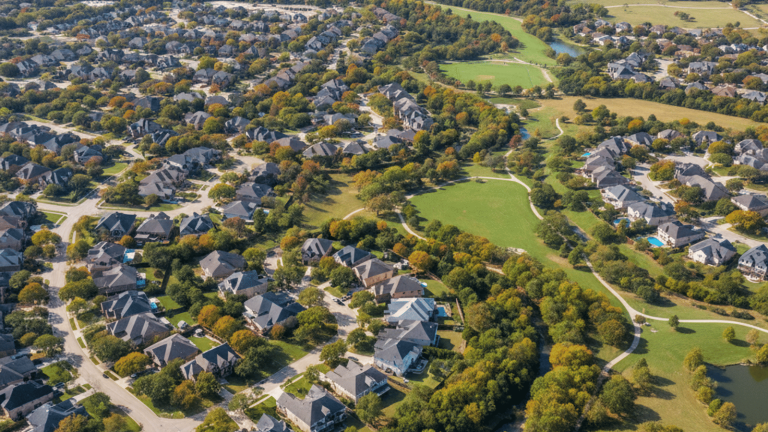
The master-planned pocket known as Lantana sits in southern Denton County, about 15 miles north-west of DFW Airport and—truth be told—it still feels a bit like a secret. Around 13,800 residents call it home in early-2025, up nearly 10 % from the last official count. New construction? Slowing a touch. Resales? Up, along with prices—median sales price hovers near $695,000 after a 2.6 % year-over-year bump. Listings last roughly 54 days before going under contract, a sign that buyers are arriving almost as fast as sellers can pack. Thinking about moving to Lantana? Keep your eye on five make-or-break topics: the everyday vibe, the real estate math, the HOA layer most newcomers overlook, the commute web, and the “Texas extras” (weather, taxes, utilities) that can trip up outsiders.
The Everyday Vibe—Not Quite Suburb, Not Quite Country
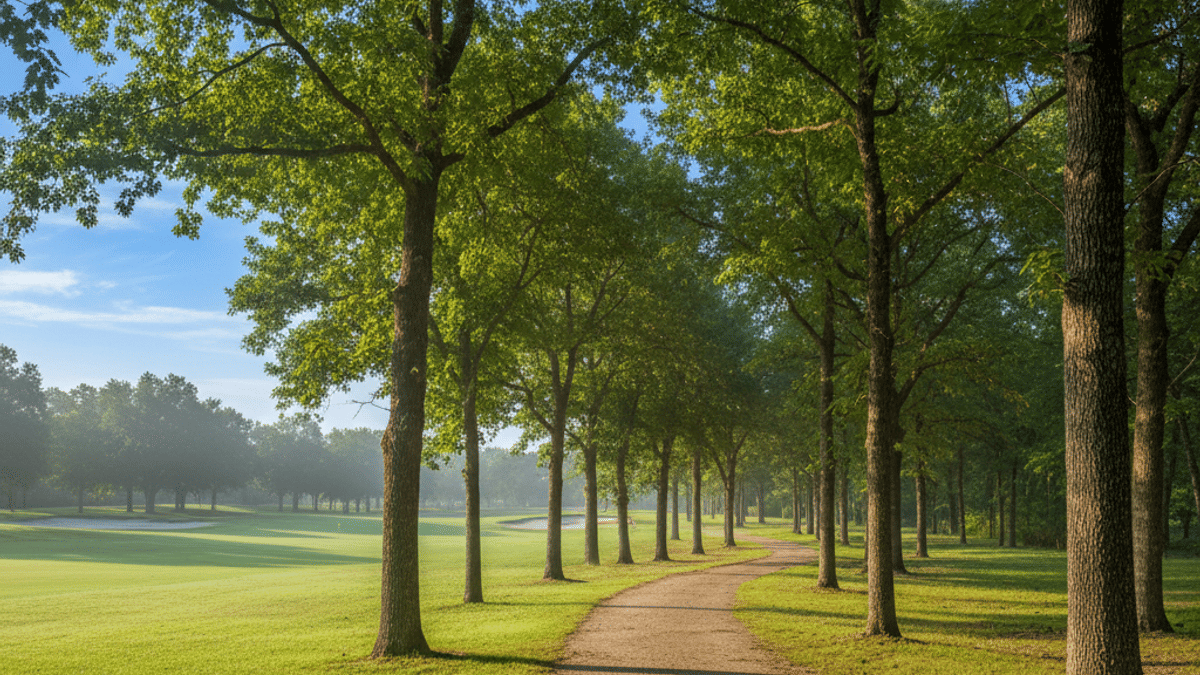
Step onto the hike-and-bike trail that loops behind the Lantana Golf Club at 7 a.m. You’ll hear owls wrapping up their night shift and, if it’s early April, maybe the high-school drumline rehearsing in the distance. That’s Lantana’s rhythm—nature a few steps away, community noise just faint enough to remind you you’re not isolated.
Weekend life tends to orbit around three hubs:
- The Town Green where food-truck rallies pop up about twice a month.
- The fitness center pools that open from spring break until Halloween (longer than many neighboring cities).
- The patio scene at Marty B’s in nearby Bartonville where locals trade tips on stretch-loafers and interest rates.
No flashy downtown strip, no gritty nightlife district. Instead, you get porch light gatherings, youth sports on the multipurpose fields, sunset golf carts heading toward the amenity centers. If you crave shoulder-to-shoulder crowds, you’ll drive to Dallas. If you prefer quiet nights with an occasional block-party surprise, this vibe fits.
Two pro tips before you uproot: First, noise ordinances kick in at 10 p.m. and the HOA enforces them. Second, wildlife isn’t a slogan—it’s everyday reality. Expect coyotes cutting through greenbelts and armadillos rearranging your mulch. Get motion lights, secure trash bins, move on.
The Real Estate Math—HOA + PID + MUD Fees, Oh My
Sticker shock. That’s what most would-be buyers feel when they finally add up all the line items attached to a Lantana address. The headline price—around $695K median for a four-bedroom, three-bath home on a 70-foot lot—only opens the conversation. Layer in these items:
- HOA dues: roughly $150 per month, covering front-yard maintenance, common-area Wi-Fi, and amenities. No lawnmower required but you will follow the trimming schedule.
- Fresh-water and wastewater surcharge: levied by the Lantana Fresh Water Supply District. It fluctuates with summer irrigation and can surprise newcomers used to lower metro prices.
- Property tax rate: about 2.42 % in 2025 thanks to overlapping county, school, and utility districts. That is above the national average, below a few neighboring master-plans, and yes, tax protests are popular sport each spring.
- Capital improvement fee: one-time charge—currently $1,500—paid at closing and funneled into long-term amenity upkeep.
Why do buyers still bite? Three reasons show up in the data. One: resale values outpace many larger suburbs to the south. Two: HOA mandates keep curb appeal high, which softens appraisal battles. Three: the district funded fiber to every roofline; average speeds top 1 Gbps with zero data caps. Remote workers notice.
Negotiation tip: builders occasionally roll one year of dues into incentive packages for quick-move-in homes. Resale sellers rarely do, but you can still ask for prepaid dues during closing negotiations.
HOA Culture—Read the Fine Print or Learn the Hard Way
An HOA isn’t unusual in 2025 Texas, yet Lantana’s setup goes beyond gate codes and pool passes. Six sub-associations feed into a master association that contracts directly with BrightView for lawn care. That means crews mow, edge, and blow every front yard on the block, usually once a week. Sounds dreamy until you realize sprinklers must run the night before to keep grass alive through August. Forget, and your lawn browns evenly for the whole street to see.
Architectural approvals move fast—usually under ten days—but colour palettes, fence stains, and roof shingles stick to an evolving matrix. Residents swap tales of re-painting shutters after choosing “Brownstone” instead of the approved “Coffee Bean”. Save yourself the hassle; pull the PDF first.
On the plus side, the association stages movie nights, 5K fun runs, and craft fairs that draw vendors from across Denton County. Rough tally: one organized event every eight to ten days. It’s optional, yet attendance remains high because these gatherings replace the town square most transplants left behind.
Budget meeting attendance, though? Sparse. Show up. You’ll learn where dues actually go, why the reserve fund target sits at 80 % of annual operating expenses, and which projects—like the rumored pickleball courts—are scheduled to break ground each fiscal year. Homeowners who vote shape the landscape. Those who skip the meeting sometimes find a surprise assessment in the mail six months later.
The Commute Web—Wheels Required, Strategy Needed
Google Maps sells a “35-minute ride to Downtown Dallas.” That’s midnight with green lights. Reality at 7:30 a.m.? Closer to 55-65 minutes on a good hair day.
Primary arteries: FM-407 feeds I-35W, which links to State Highway 114 and I-35E. The pinch point sits at the merge near Texas Motor Speedway. Plan alternate routes. Many residents pivot to the Denton County A-Train park-and-ride in Highland Village. The rail line drops at Trinity Mills where DART lines can finish the run. Door-to-cubicle time: roughly 70 minutes if connections align.
Air travel is easier. DFW Airport sits 16 miles south-east. Wheel up in under thirty minutes even on holiday weekends if you stick to the Justin Road backdoor entry to International Parkway. Love Field adds ten-ish more minutes.
Inside Lantana itself, golf carts, bikes, and plain sneakers rule. Two elementary schools and one middle school sit within the loop of main boulevards. Parents often cut the car line by letting kids walk the greenbelts. For errands beyond the community—think Costco, Target, medical specialists—you’ll drive five to ten miles toward Flower Mound or Argyle.
Remote workers ask about cellular reliability. Verizon and AT&T both blanket the area with 5G Ultra-Wideband. T-Mobile coverage dips in certain pockets by the lake, yet Wi-Fi calling fills gaps. If you trade in Zoom calls all day, you’ll be fine.
Texas Extras—Weather, Utilities, and Little Quirks Outsiders Miss
Let’s talk heat first. Mid-July highs push 100 °F for ten or more consecutive days, though humidity hangs lower than in Houston. Irrigation curfews activate during drought declarations, so smart controllers and native plants will save you cash. Winter? Two to four frosty mornings plus one ice event on average. Keep de-icer in the garage; local streets glaze faster than major highways.
Storm season headlines with hail. Most roofs carry Class 4 impact-resistant shingles now, yet insurance premiums climbed in 2024. Budget roughly $3,400 per year for a 3,000-square-foot house with a standard deductible. Shop often; carriers shuffle risk models annually.
Utility bills run higher in summer thanks to air-conditioning plus that HOA-mandated lush lawn. Solar panels skip the usual city permitting gauntlet because the Fresh Water District reviews requests instead. Approval rates sit above 90 % if panels match roof pitch and stay below ridge caps. Net metering credits against your inflow rate but not taxes, so keep receipts for the federal clean-energy rebate.
School zoning falls under Denton ISD. Elementary campuses—Blanton or E.P. Rayzor—score in the upper quartile on state accountability metrics. High-schoolers attend Guyer in nearby Corinth, a 12-minute drive if traffic behaves. Private options abound inside 15 miles, covering Montessori through college-prep boarding.
Grocery runs? Kroger Marketplace opens at 6 a.m. There’s also Sprouts in Flower Mound and, yes, an H-E-B rumoured for the old big-box parcel near Canyon Falls. If artisanal bread is your thing, go north to Denton’s West Oak Coffee scene on Saturday morning, grab a loaf, listen to live music, circle back before lunch. Simple.
Ready to Take the Next Step?
You just absorbed a crash course on moving to Lantana. We walked through daily rhythm, busted open the fee structure, dissected HOA culture, mapped out commutes, and flagged weather quirks that drain or save money. The takeaway is clear: Lantana rewards homeowners who read the fine print, cherish greenbelts, and appreciate a built-in social calendar more than neon nightlife. If that sounds like you, start running the numbers and book a drive-through this week. A front-porch chat with a current resident will tell you more than another hundred online reviews ever could.
FAQs
How does the cost of living in Lantana compare with Plano or Frisco?
Housing commands a premium over older Denton County suburbs, yet groceries, healthcare, and utilities sit roughly on par. Property taxes trend higher due to the utility district overlay.
Are short-term rentals allowed?
The master association prohibits leases shorter than six months unless a variance is granted for documented hardship. Check the latest bylaws; fines start at $500 per occurrence.
What internet options exist besides the fiber included in HOA dues?
Spectrum and AT&T both offer cable and DSL tiers. Starlink satellites also cover the area for redundancy, though most residents stick with the built-in gigabit line.
Does Lantana have future commercial development planned?
Yes. Denton County Commissioners approved a mixed-use rezoning along FM-407 with build-out slated for 2027. Expect medical offices, boutique retail, and a mid-rise senior-living facility.
Can I keep chickens or bees in my backyard?
Up to four backyard hens pass muster if housed 25 feet from neighboring dwellings. Bees require written consent from adjacent property owners plus proof of liability coverage. Always secure HOA approval before construction of coops or hives.