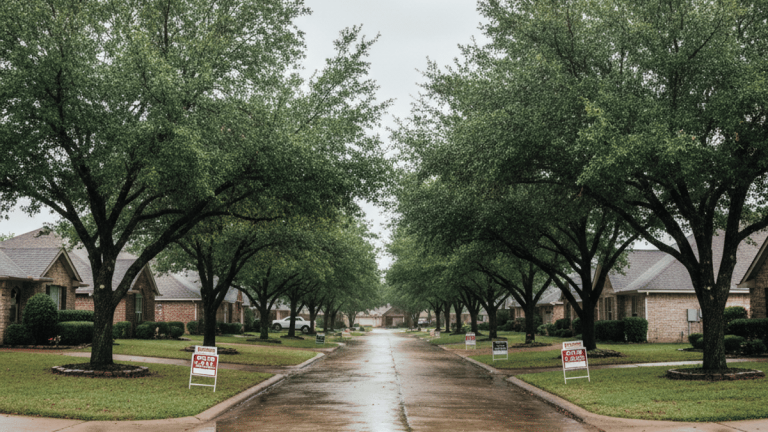


Optimal Seasons for Buying a House in Dallas
Winter Advantage – why January feels like a clearance rack
Step outside in January and the North Texas wind might slap you awake, yet that cold air signals opportunity. Listing data pulled from NTREIS over the last seven years shows a repeated dip—about 5 % to 7 %—in median list price between mid-December and the third week of February. It’s not life-changing savings, but on a $450,000 starter luxury? We’re talking a down payment that suddenly looks lighter.
What really moves the needle is attitude. Sellers who forgot to pull their listing before the holidays often arrive in winter with two heavy bags:
- Days-on-market anxiety
- A new year’s resolution to be done
Add lower foot traffic—January open houses average 40 % fewer visitors than May ones according to Supra key-box data—and you, the buyer, get room to breathe.
Things you’ll love:
- Negotiating power. You can counter 5 k below ask and still keep the convo alive.
- Quicker closings. Lenders are less buried with files, so underwriters turn faster.
- Inspection clarity. That occasional ice snap exposes roof leaks or chilly drafts a spring tour might hide.
Heads-ups you can’t ignore:
- Inventory is thin, maybe only 60 % of peak season. Your dream layout might not be parked on Zillow right now.
- Shorter daylight hours equal fewer showing slots after work. Plan a long lunch break or two.
- Movers get busy with corporate relocations in January, so book trucks early.
Still, if you can tolerate that gray sky and keep your search targeted—think about neighborhoods where turnover traditionally bumps in Q1, like older ranch-style pockets of Lake Highlands—you stand to snag a quieter, cheaper deal.
Spring & Summer Market Dynamics – the heat cranks up
Late March arrives, bluebonnets pop along the highways, and suddenly everyone feels like touring houses. From 2018 to 2023 the Dallas MLS saw listing counts spike 35 % between the first week of April and Memorial Day. More options, sure, but bids multiply just as fast.
Why the rush? School calendars. Roughly 70 % of local moves recorded by relocation firms aim for a June closing, which gives families a buffer before August semester bells. That timeline shoves offers higher. Average sold-to-list ratio in Dallas County sits near 99 % in May versus 96 % in January.
But don’t roll your eyes and bail—spring can still work for you if you play it right:
- Wider selection means you can demand turnkey condition rather than “I’ll renovate eventually.”
- Longer evenings let you tour three homes after work instead of one.
- Freshly landscaped yards reveal drainage issues, easy to miss in dormant winter grass.
Smart tactics in the frenzy:
- Get pre-approved, not merely pre-qualified. Listing agents know the difference and will pick your offer if deadlines are tight.
- Submit early in the week. Homes that launch on Tuesday often see lighter activity before the Saturday swarm.
- Target properties older than 14 days on market by late May. Seller fatigue is real; their listing photos are already slipping down search results.
A quick weather note: Dallas storms love April. Hail can write off an entire roof in three minutes. Always order a roof inspection beyond the standard general inspection during this season, even on a 2019 build.
Tactical Insights for Seasoned Buyers
Holiday Market Insight – gobble pie, write an offer
Late November through New Year’s. Not exactly the picture-perfect time to juggle earnest money and gift shopping, right? Yet data reveals a quirky edge nobody brags about at cocktail hour: accepted offers run an average of eight days longer to find a competing bid during this window. Translation: solo negotiations.
Reasons it happens:
- Casual shoppers vanish to visit family.
- Agents slow advertising budgets, so some listings feel invisible.
- Sellers face the mortgage-tax-insurance triple whammy on January 1.
Strategy recipe:
- Scan for listings with photos still dressed in July greenery. They signal six months of market fatigue.
- Slide in a clean offer December 26 when inboxes are quiet. I once secured a $12,000 price chop on a Preston Hollow cottage while the other buyer was stuck in airport delays. True story.
- Plan appraisals around bank holiday weirdness—build an extra week into contract timelines, lenders work skeleton crews.
Holiday hurdles? Your own schedule. End-of-year PTO burns fast. Title companies may close early. Have remote-notary options loaded on your phone so Thanksgiving road trips don’t kill the deal.
Market Analysis and Timing
Economic Indicators & Local Trends – reading the Dallas tea leaves
Timing isn’t just seasons; it’s the swirl of jobs, development, and, let’s be honest, interest-rate headlines. Let’s zoom into four hyper-local metrics most buyers overlook.
- Corporate relocation filings
The Dallas Regional Chamber tracks announced headquarter moves. Spikes in filings frequently predate heightened inventory because transferring employees list their homes while hunting new ones. A 22 % uptick hit in Q3 of last year; those sellers will likely appear in MLS this coming spring. - Building permits vs. lot availability
The City of Dallas’ open-data portal posts single-family permits weekly. When permits outrun finished lots in nearby suburbs (Frisco saw a 40 % gap last summer), builders slow price increases and offer incentives you won’t hear in TV ads—think rate buy-downs or blinds packages. - Property-tax protest season
Dallas County sends out appraised-value notices in April. Sellers nervous about a valuation jump may rush to offload before appeal deadlines, pushing a brief listing surge from mid-April to early May. Watch that pocket. - Water district infrastructure votes
Boring? Maybe. But when North Texas Municipal Water District schedules bond elections, raw-land investors pounce the month prior, nudging land prices. That trickles to new-build pricing six to nine months later. It’s a tell that construction costs might rise, signaling you should buy sooner.
Economic health matters too. Dallas-Fort Worth job growth keeps flirting with 3 % annually, yet watch the ratio of job growth to permitted housing units. When job growth doubles housing starts, sellers gain leverage; when it halves, buyers smile.
Making the Decision: Timing with Intent
Personal Timing vs. Market Timing – the equation only you can solve
Charts and averages feel empowering but your life rhythm remains the final boss. Ask yourself three raw questions:
- Rent increasing in the next lease cycle?
- Cash reserves ready for a down payment and unexpected refrigerator death the day you move in?
- Emotional bandwidth to tour seventeen houses in muggy July without snapping?
If those answers align, layer on the seasonal intel:
- Need the absolute bottom price, inventory be damned? January.
- Craving variety, maybe a specific school zone? April through June.
- Happy to exploit quiet listing inboxes and score extras like washer-dryer conveyance? Thanksgiving to New Year’s.
Take Shannon and Carlos—clients from Uptown who feared interest-rate hikes last fall. They waited out winter, pounced on a February listing that had rotted since October, and grabbed a 2-1 rate buydown plus seller-paid title policy. Waiting three months saved them roughly 24 k in upfront and financing costs. Timing mattered, but aligning with their lease expiration made it doable.
Quick-Glance Pros and Cons by Season
Winter
+ Lower prices, less competition
– Sparse inventory, limited daylight
Early Spring
+ New listings blossom, yards show flaws
– Multiple-offer marathons start
Late Spring
+ Peak selection, school calendars align
– Prices crest, inspection slots tight
Summer
+ Relocation sellers motivated, days are long
– Heat fatigue, appraisers overbooked
Fall
+ Price growth cools, contractors more available for post-close fixes
– Storm leftovers can hide in attic insulation
Holidays
+ Negotiation leverage, slower closing tables
– Personal distractions, lender holiday delays
Micro-Checklist Before You Pull the Trigger
• Lock your lender rate first thing in the morning; Texas rates can change twice daily.
• Pull last three years of foundation watering history from the seller if possible. Our clay soil shifts.
• Compare property-tax exemptions for city versus suburb, they vary wildly.
• Review flood-plain maps—FEMA updated Dallas panels in October 2023 and some new zones surprised homeowners.
• Ask your agent for “price improvement” count in your target zip each month. Rising counts hint at seller weakness.
Ready to Make a Move?
No season is perfect, yet Dallas gives you clear clues if you listen. Use winter for bargains, spring for selection, summer for motivated relocations, and the holidays for stealth steals. Pair that with your own timeline and you’re not guessing anymore—you’re choosing.
Grab a calendar, circle the window that matches your priorities, and start touring. Your best time to buy a house in Dallas isn’t a mystery now. It’s a plan.