Estimating Buyer Closing Costs in Highland Village, TX (2026)
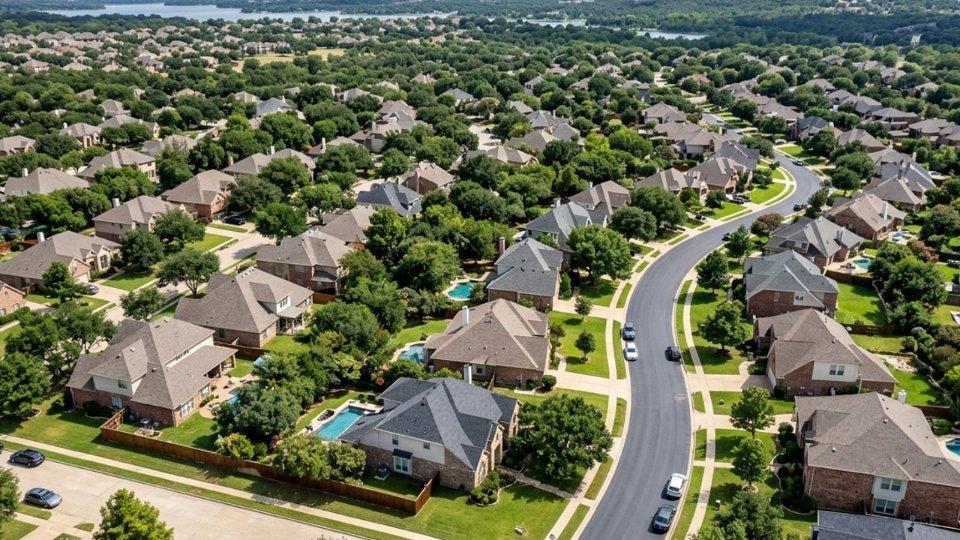
The median home sale price in Highland Village, TX sits around $644,600 as of mid-2026. That number gets most of the attention, especially from first-time home buyers in Highland Village, but it's not the only figure you need to have ready before you sit down at the closing table.
Homes here sell in an average of 27 days. That's a fast timeline, and it doesn't leave much room for a last-minute scramble when you realize the number you need to wire is bigger than you planned for. Knowing what you'll actually owe on closing day - not just the purchase price - is what separates a smooth transaction from a stressful one.
Defining Texas Real Estate Closing Costs
Closing costs are the collection of fees, taxes, and prepayments required to finalize a real estate transaction. Every time a property changes hands in Denton County, lenders, title companies, and local government offices all send a bill for their piece of the work.
These expenses are separate from the purchase price itself. They cover the administrative and legal machinery required to transfer ownership and secure your mortgage - and you'll owe them whether you're buying a $300,000 starter home or something well above the current Highland Village median.
Down Payments Versus Closing Costs
Your down payment is the initial equity you put into the home - it goes directly toward reducing your loan balance. Closing costs are the transactional fees paid to third parties to actually process the sale. Both are due at the settlement table, but they serve entirely different purposes. Before your lender will approve the mortgage, they need to see that you have enough liquid funds to cover both amounts.
Buyer Fees Versus Seller Fees
Both parties pay closing costs, but the specific line items are different. Sellers generally handle the real estate agent commissions and certain title fees to facilitate the transfer. Buyers take on the costs tied to getting a mortgage, appraising the property, and funding the initial property tax and insurance escrow accounts.
How Much Buyers Pay in Highland Village
Buyer closing costs in Texas typically range from 2% to 6% of the home's purchase price. On a median-priced Highland Village home around $644,600, that works out to somewhere between $12,800 and $38,600. Most sources put the more common outcome in the tighter 2% to 5% range.
The exact percentage shifts based on your loan type, your lender's specific fee structure, and even the time of year you close.
The Three Percent Rule of Thumb
Many buyers start with 3% as a baseline when they're still early in their search. On a $500,000 property, planning for $15,000 in closing costs gives you a reasonable working number. It's not fixed - just a realistic buffer until your lender hands you a formal Loan Estimate with the actual charges spelled out.
Why Dallas-Fort Worth Metro Costs Vary
Property taxes drive a lot of the variation you'll see in cash-to-close figures across the DFW area. Because buyers have to fund an escrow account with several months of property taxes upfront, areas with different tax rates produce meaningfully different closing totals.
Timing matters too. Closing early in the month means you'll prepay more daily interest than if you close near the end of the month - not a dramatic difference, but it's worth knowing.
Closing Cost Estimates by Home Price
Percentages are useful, but dollar amounts are what actually show up in your bank account. Highland Village has a wide range of property values, so running the math at a few different price points makes the numbers more concrete.
Not every fee scales with the purchase price. Appraisal and recording fees stay relatively flat. Origination fees and title insurance, on the other hand, do climb as the home price goes up.
Example Breakdowns for Denton County Buyers
On a $300,000 house, a 3% closing cost estimate lands at $9,000. A $400,000 home gets you to roughly $12,000. At $500,000, expect around $15,000. At the $600,000 mark - close to the current Highland Village median - budget roughly $18,000.
Calculating Your Own Cash to Close
The math is straightforward: multiply your target purchase price by 0.03, then add your intended down payment. That sum is your estimated total cash to close. Your lender will sharpen that number through underwriting, and you'll receive a final Closing Disclosure three days before settlement showing the exact amount you need to wire.
A Breakdown of Buyer Closing Costs
The final bill is made up of dozens of individual line items. Knowing what each one covers is how you catch errors or inflated charges when you review your Loan Estimate. These expenses fall into three main categories: lender fees, third-party services, and government recording charges.
Loan Origination and Appraisal Fees
Lenders charge origination fees to process and underwrite the mortgage - typically between 0.5% and 1% of the total loan amount. They also order an appraisal to confirm the home's value, and you pay for it. That generally runs a few hundred dollars depending on the property size.
Title Insurance Rules in Texas
The Texas Department of Insurance sets uniform title insurance rates statewide. That means you'll pay the same premium regardless of which title company you use in Denton County - shopping around on price isn't a factor here.
Customarily in Texas, sellers pay for the owner's title insurance policy, which protects your claim to the property. Buyers pay for the lender's title policy, which protects the bank.
Escrow Settlement Fees
The title company acts as a neutral third party to hold the funds and manage the closing. They charge an escrow fee for that service, and it's often split evenly between buyer and seller. The exact amount varies by title company and the complexity of the transaction.
Denton County Recording Fees
Texas has no real estate transfer tax - the state constitution has prohibited transfer taxes on real property since 2016. What Denton County does charge are flat recording fees to file the deed: $25 for the first page of a real property record, $4 for each additional page, and $0.25 for each name indexed beyond five.
Prepaids and Escrow Reserves
Lenders require buyers to prepay the first year of homeowners insurance at closing, plus deposit several months of property taxes into an escrow account. These prepaid items frequently make up the largest portion of your cash to close. The exact amount depends on the home's assessed value and your specific insurance premium.
Who Pays Closing Costs: Buyer or Seller?
Texas real estate contracts spell out who pays for which services. Everything is technically negotiable, but local market customs set the standard split - and straying too far from those customs can make your offer less appealing to a seller.
Customary Buyer Expenses
Buyers are responsible for everything tied to their mortgage: the appraisal, credit report fees, origination charges, and the lender's title insurance. You also fund your own property tax and insurance escrow accounts, and any inspection fees - general home inspection, pest check, whatever you order - are yours to cover.
Customary Seller Expenses
Sellers pay the real estate agent commissions for both sides of the transaction. That's typically the single largest fee in the entire process. In Highland Village, sellers customarily cover the owner's title insurance policy, pay off their remaining mortgage balance, and settle any outstanding property taxes up to the closing date.
Asking the Seller to Cover Your Fees
Buyers can ask sellers to contribute through seller concessions - a specific dollar amount or percentage credited back to the buyer at settlement. With Highland Village homes selling in an average of 27 days, sellers are in a position to be selective, and concession requests don't always land well. Your agent is your best resource for reading whether it makes sense to ask on a specific property.
How to Lower Your Closing Costs
You can't avoid closing costs entirely, but you can reduce them. Some fees are fixed - government recording charges and Texas title insurance rates aren't moving. Others are entirely at the lender's or service provider's discretion.
Using Seller Concessions and Credits
A seller credit directly reduces your out-of-pocket cash at closing. You can apply those funds toward buying down your interest rate or covering origination fees. Lenders cap how much a seller can contribute - usually between 3% and 6% of the purchase price depending on the loan type - and the credit can never exceed your actual total closing costs.
Comparing Lender Fees
Shopping lenders is the most effective lever you have. Origination, processing, and underwriting fees vary from one lender to the next, and even modest differences add up on a $644,600 purchase.
You can also take a slightly higher interest rate in exchange for lender credits, which reduces your upfront cash. You'll pay it back over time through higher monthly payments - so it's a tradeoff, not a discount.
Cash Purchase Estimates
Cash buyers skip all the lender-related fees: no origination charges, no appraisal requirement, no lender's title insurance. That said, you still pay for the settlement process, recording fees, and optional owner's title insurance. Property taxes and homeowners insurance also become direct expenses rather than going through a lender-managed escrow account.
Frequently Asked Questions
What percentage of the purchase price should I expect to pay in buyer closing costs in Highland Village, TX?
Buyer closing costs in Texas typically range from 2% to 6% of the home's purchase price. Most sources cite 2% to 5% as the most common outcome depending on the loan type and prepaid property taxes.
Do Highland Village closing costs include Denton County property taxes or local PID and MUD fees?
Yes, buyers must prepay a portion of their property taxes into an escrow account at closing. Any specific municipal utility district fees or assessments are prorated between the buyer and seller based on the exact closing date.
How common is it for sellers to cover buyer closing costs in the current Highland Village real estate market?
With Highland Village homes selling in an average of 27 days and over 26% selling above list price, seller concessions are less common. Buyers should consult their agent before asking for credits in a fast-moving market.
Who is typically responsible for paying HOA transfer fees when buying a house in Highland Village master-planned communities?
Texas real estate contracts allow buyers and sellers to negotiate who pays HOA transfer fees. Customarily, the split is negotiated during the offer process, and the specific terms are written into the final contract.
At what point in the transaction do I wire the funds for my closing costs on a Highland Village home?
You wire your final cash to close to the title company right before your scheduled settlement appointment. The lender provides a final Closing Disclosure three days prior, telling you the exact amount to send.
What happens if the final cash-to-close amount is higher than the initial loan estimate for my Highland Village property?
Federal law restricts how much certain fees can increase between the Loan Estimate and the Closing Disclosure. If a fee exceeds legal limits, the lender must refund the difference to the buyer.
Categories
Recent Posts