Choosing Between Flower Mound, TX vs Dallas, TX: A 2026 Homebuyer Guide
The Dallas-Fort Worth metroplex encompasses over 9,000 square miles of North Texas, giving homebuyers an enormous range of environments to consider. Buyers often find themselves weighing the dense, fast-paced environment of the central city against the quieter, master-planned neighborhoods found to the northwest.
Deciding between Flower Mound, TX vs Dallas, TX comes down to your daily priorities, budget, and commute tolerance. Located about 28 miles northwest of downtown Dallas, the town of Flower Mound offers a distinct contrast to the urban core.
City Grids Versus Suburban Layouts
Dallas operates as the economic and cultural engine of North Texas. The city features a traditional urban grid, towering commercial districts, and densely populated residential zones connected by major highways and light rail lines.
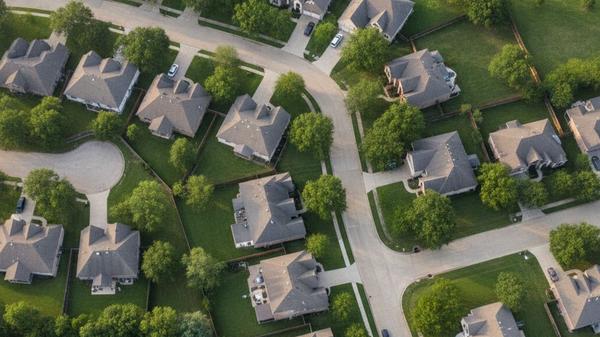
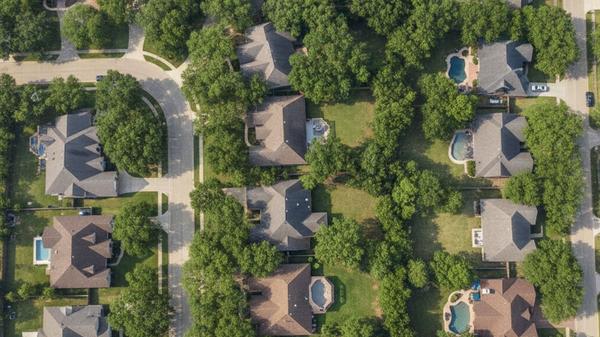
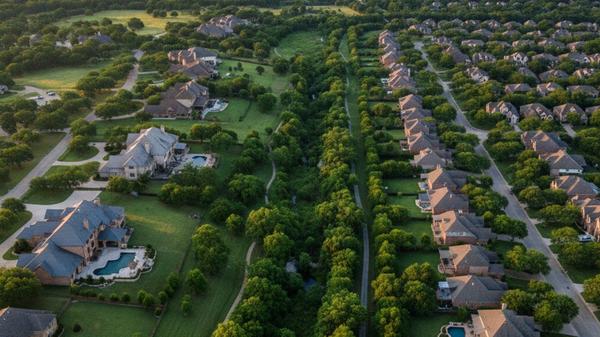
Flower Mound provides a completely different structural layout. The municipality developed around the natural topography of the Texas Blackland Prairies and local waterways rather than a grid system.
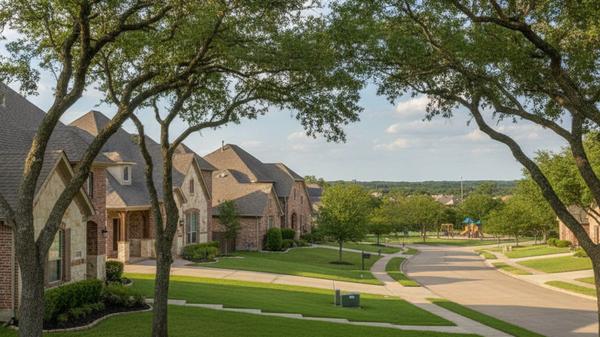
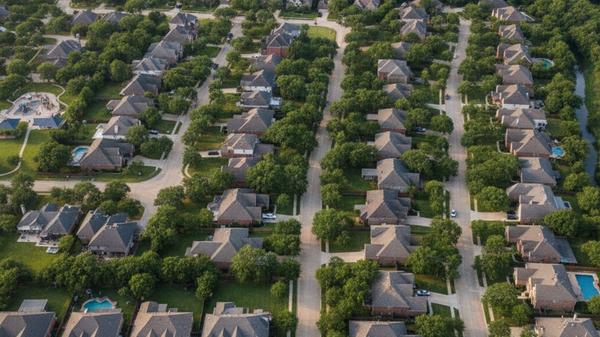
Residential areas in Flower Mound feature winding roads, cul-de-sacs, and extensive green spaces. This suburban design limits commercial development to specific corridors, keeping neighborhoods separated from high-traffic retail centers.
Housing Styles and Median Prices
The median home price in Dallas sits around $465,000, but that figure covers an immense variety of property types. Buyers looking in the city limits will find high-rise condos in downtown Dallas, historic early-20th-century homes in established districts, and modern townhomes built to maximize smaller lot sizes.
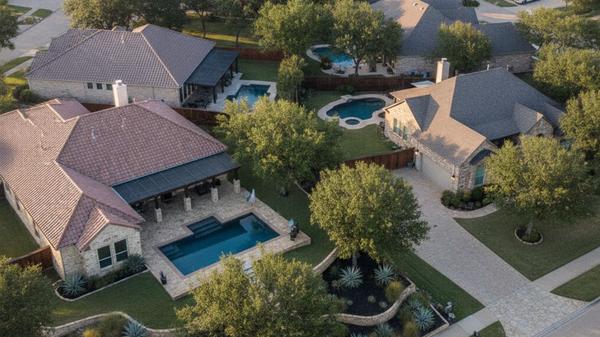
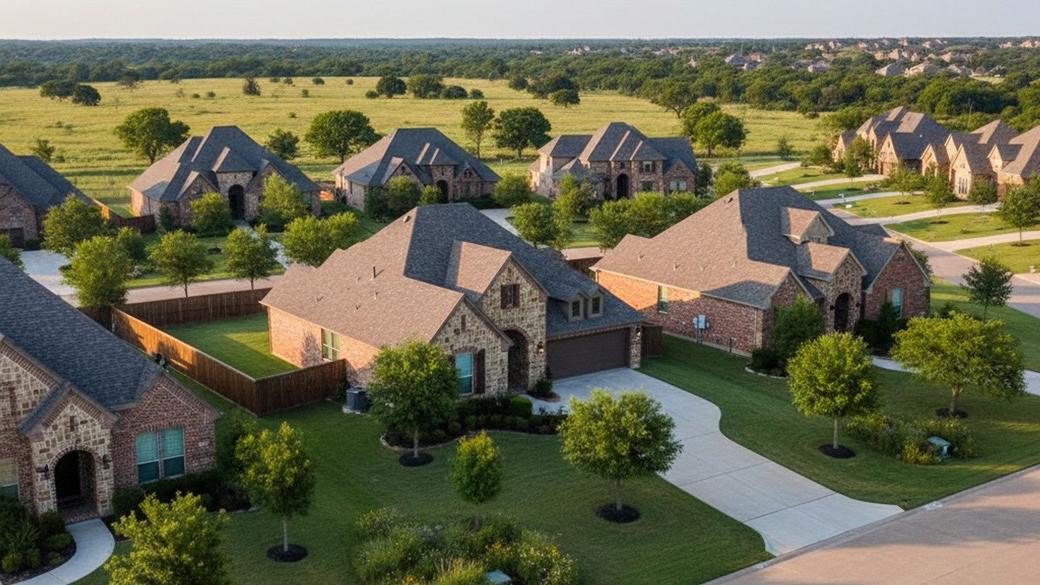
Flower Mound presents a more uniform housing inventory focused on single-family properties. The median home price here is approximately $620,000, reflecting the larger average square footage and extensive lot sizes common throughout Denton County.
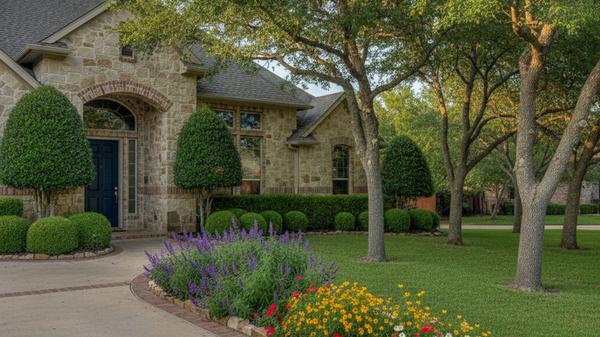
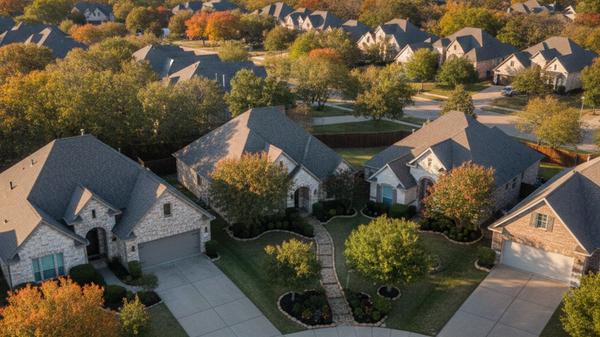
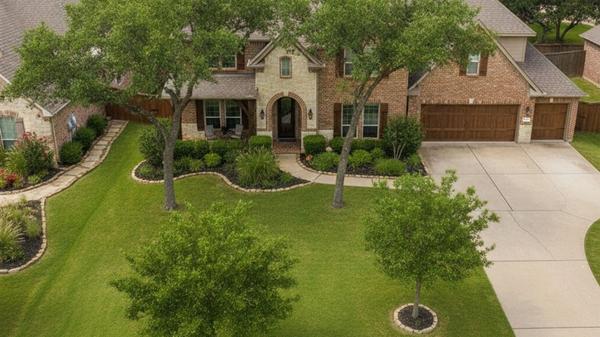
Master-planned communities dominate the Flower Mound real estate market. Buyers should expect properties built from the 1990s onward, often featuring brick or stone exteriors, multiple living areas, and attached multi-car garages.
Property Taxes and Monthly Costs
Texas does not collect a state income tax, so local municipalities fund their services primarily through property taxes. Dallas properties generally face a combined property tax rate of around 2.22%, depending on the specific neighborhood and utility districts.
Flower Mound straddles Denton and Tarrant counties, and its combined tax rate is generally lower than the Dallas average. Homeowners in Flower Mound typically see rates between 1.69% and 1.78%, varying slightly based on the specific school district boundaries.
Buyers should factor homeowner association (HOA) fees into their monthly housing budget. While many Dallas neighborhoods operate without an HOA, nearly all master-planned developments in Flower Mound require mandatory monthly or annual dues to maintain shared amenities.
Drive Times to Work and the Airport
Commuting from Flower Mound to downtown Dallas covers about 28 miles via I-35E and Highway 121. Without traffic, this drive takes roughly 35 minutes.
During the morning and evening rush hours, that same trip can stretch to 60 minutes or more. Buyers planning to commute daily should test the drive during peak hours before making a final decision.
Both locations offer excellent proximity to DFW International Airport. Flower Mound sits just 10 miles north of the terminals, allowing residents to reach the airport in about 15 to 20 minutes.
Comparing Lewisville ISD and Dallas ISD
Dallas Independent School District (ISD) is one of the largest public education systems in the country. The district serves approximately 140,000 students across hundreds of campuses and holds a B rating from the Texas Education Agency.
Dallas ISD utilizes a choice-school model in many areas, allowing students to apply for specialized magnet programs or academies regardless of their home address. This system gives residents options beyond their immediate neighborhood assignments.
Most Flower Mound residents fall within the Lewisville Independent School District boundaries. Lewisville ISD serves about 47,000 students and also holds a B rating from the state.
Lewisville ISD operates on a more traditional feeder-pattern system. Students generally attend the elementary, middle, and high schools, such as Flower Mound High School, geographically assigned to their specific subdivision.
Parks, Trails, and Entertainment
Dallas offers the amenities expected of a major metropolitan center. Residents have immediate access to professional sports arenas, a massive arts district, live music venues, and thousands of restaurants ranging from casual spots to high-end dining.
Flower Mound focuses its recreational opportunities on outdoor spaces and municipal facilities. The town maintains dozens of parks, including Heritage Park and Stone Creek Park, which provide playgrounds, athletic fields, and walking paths.
Grapevine Lake serves as a major draw for Flower Mound residents. The lake offers boating, fishing, and access to the Northshore Trail, a popular route for mountain biking and hiking through the local terrain.
Indoor recreation centers around municipal investments. The Flower Mound Public Library and the Community Activity Center provide fitness equipment, indoor pools, and community programming throughout the year.
Frequently Asked Questions
Is Flower Mound in Dallas or Fort Worth?
Flower Mound is an independent municipality, not a neighborhood within Dallas or Fort Worth. It is located predominantly in Denton County, with a small portion extending into Tarrant County. Geographically, it sits centrally between the two major cities, about 10 miles north of the DFW Airport.
Why do people move from Dallas to suburbs like Flower Mound?
Buyers often relocate to gain larger lot sizes and more interior square footage than they can secure for the same price in the city. The shift to a master-planned environment also provides immediate access to miles of paved trails and local amenities like the Lakeside Business District.
How do Flower Mound and Dallas compare in terms of cost of living?
While everyday expenses like groceries and utilities remain similar across the DFW metroplex, housing costs differ. Dallas offers a lower median home price around $465,000, but Flower Mound offsets its higher $620,000 median price with a lower overall property tax rate near 1.7%.
Categories
Recent Posts