The 2026 Guide to the Cost of Living in Flower Mound, TX
The median household income in Flower Mound, TX sits between $126,000 and $163,000 this year, making it one of the higher-priced suburbs in the Dallas-Fort Worth metroplex. Buyers looking at homes in this area often weigh the higher housing prices against the lack of a state income tax in Texas. Understanding the exact financial breakdown helps you determine if moving to this Denton County town aligns with your budget.
Located just 28 miles northwest of Dallas, this municipality offers extensive trail systems, proximity to Grapevine Lake, and access to the Lewisville Independent School District. Calculating the Cost of Living in Flower Mound, TX requires a close look at property taxes, commuting expenses, and current real estate values. You should evaluate these local expenses against your expected income before making an offer on a house.
How the Local Index Compares to National Averages
The overall cost of living index for Flower Mound hovers between 103 and 107, placing it 3 to 7 percent higher than the national average of 100. This premium is driven almost entirely by the local housing market, as residential real estate commands higher prices here than in surrounding rural areas. Everyday expenses like groceries and healthcare typically fall below the national baseline, providing some relief to household budgets.
Texas residents do not pay state income tax, which leaves more take-home pay available to cover local housing costs. Buyers moving from coastal states often find that this tax structure offsets the higher property valuations in Denton County. You should calculate your estimated monthly expenses based on your specific income bracket to see how this balance works for your situation.
Home Prices and Rent in the Current Market
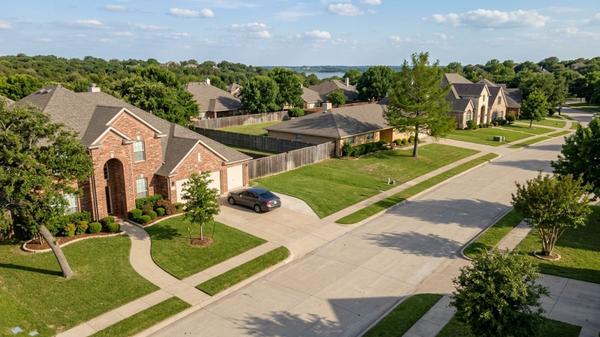
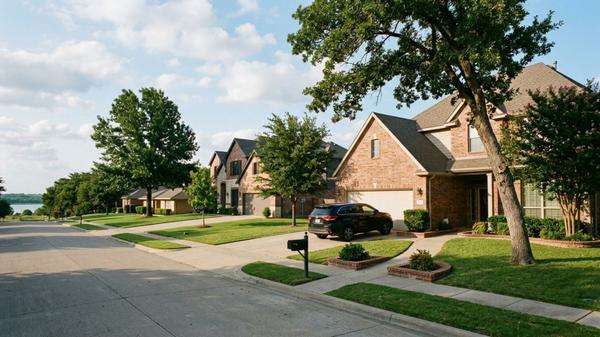
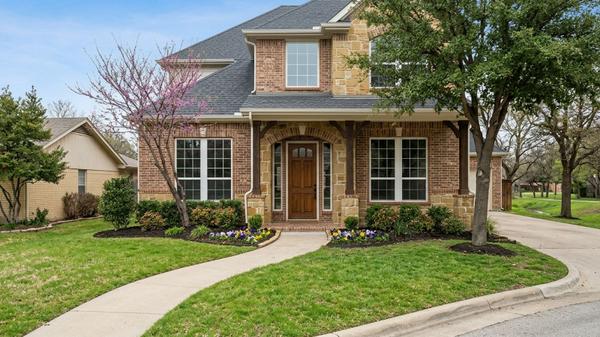
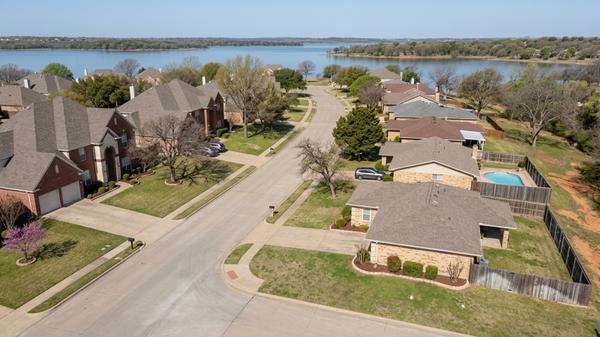
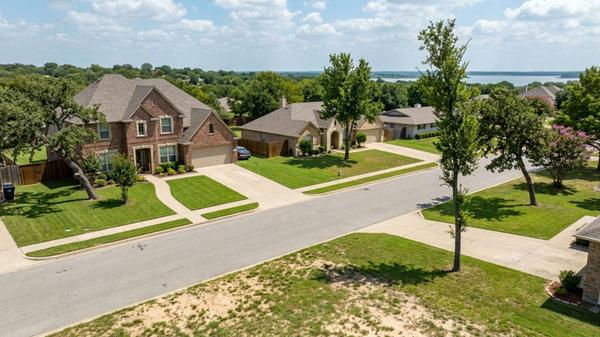
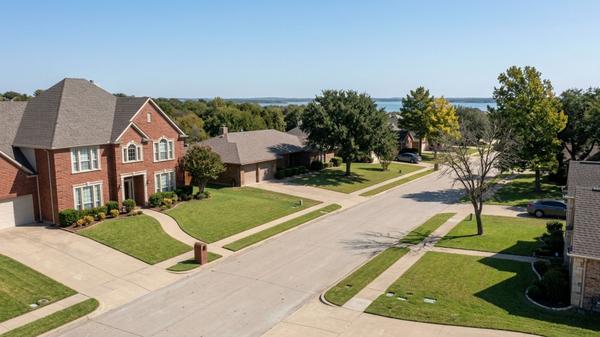
The median home value for a single-family house in Flower Mound is between $600,000 and $625,000 as of mid-2026. Buyers can find a range of properties, from established houses in master-planned communities like Wellington to larger estates near the Bridlewood Golf Club. Inventory includes both luxury properties and more affordable housing options, though the lower price tiers tend to sell quickly.
Renters looking to move to Flower Mound can expect the overall median rent to sit around $2,650 per month. Apartment rent generally ranges from $1,800 to $2,000, depending on the building's age, square footage, and proximity to retail centers. Renting a full single-family house or townhome pushes the monthly average closer to $3,050.
Master-planned golf course communities like Bridlewood often require mandatory homeowners association fees. Buyers should factor these monthly or annual HOA dues into their debt-to-income ratios when applying for a mortgage. These fees cover the maintenance of shared amenities, community pools, and landscaped common areas.
Weighing Rental Options Against Homeownership
The overall median rent in the area sits around $2,650, offering a predictable monthly expense without the burden of property maintenance. Renting an apartment or a house allows new residents to explore different neighborhoods before committing to a long-term mortgage. Choosing between a lease and a purchase usually comes down to your planned timeline and available down payment.
Purchasing a home requires a larger upfront investment but builds equity in a stable Denton County market. Buyers looking at the median home price of $600,000 to $625,000 should secure a mortgage pre-approval before scheduling showings. Competition for single-family homes remains steady, and sellers favor buyers with strong financing in place.
Long-term residents typically find that homeownership offers better financial benefits due to the area's historical appreciation rates. Renters face annual lease renewals and potential rent increases, while buyers with fixed-rate mortgages lock in their primary housing cost. You should compare current interest rates against local rent prices to see which path makes sense for your 2026 move.
Denton County Property Taxes and Exemptions
Denton County lowered its specific property tax rate to $0.185938 per $100 of assessed value heading into 2026. However, the total tax bill for a homeowner includes levies from the town, the county, and the local school district. Most Flower Mound properties fall within the Lewisville Independent School District, resulting in a combined property tax rate of approximately 1.69 percent.
A small portion of the town sits within the Argyle Independent School District. Homes located inside these specific boundaries face a slightly higher combined tax rate of around 1.79 percent. Buyers should review the exact tax history of any property they plan to purchase, as district lines can shift within the same zip code.
Homeowners who use the property as their primary residence are eligible to file for a Texas homestead exemption. This exemption removes a portion of the home's appraised value from taxation, lowering the final annual bill. You must apply for this exemption through the Denton Central Appraisal District after closing on the house.
Monthly Utilities and Commuting to Dallas
Flower Mound sits roughly 28 miles northwest of downtown Dallas, and most residents rely on personal vehicles for their daily commute. Major thoroughfares like FM 2499 and Interstate 35W provide direct routes to employment hubs in both Dallas, TX and Fort Worth, TX. Commute times vary depending on traffic, but the town's location offers straightforward access to the broader Dallas-Fort Worth metroplex.
Dallas Fort Worth International Airport is located just a few miles south of town limits. Frequent travelers and airline employees often target Flower Mound for its short drive to the terminals. You should anticipate standard Texas utility costs, with higher electricity bills during the summer months to cover air conditioning.
Water, gas, and trash collection services are managed locally, and monthly costs align with standard suburban rates. Newer homes built with energy-efficient windows and modern HVAC systems can help keep summer electricity usage manageable. Buyers should ask sellers for a 12-month utility history to accurately budget for seasonal temperature spikes.
Budgeting for Groceries and Healthcare
Grocery costs in Flower Mound run about 4 percent below the national average. Residents have access to major supermarket chains, local markets, and bulk-buy warehouse stores. The Shops at Highland Village provide a central retail destination, offering grocery options alongside clothing boutiques and restaurants.
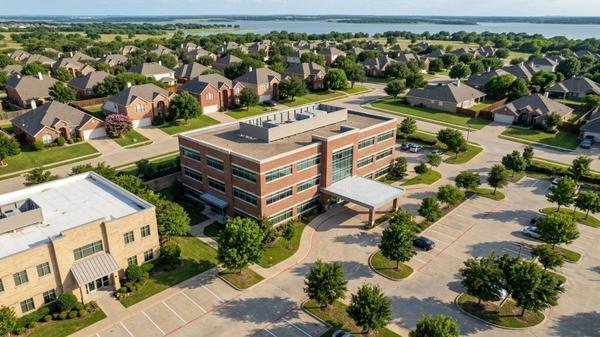
Healthcare expenses in Texas generally track slightly below the national baseline, and local access to medical care is plentiful. Texas Health Presbyterian Hospital Flower Mound serves as the primary medical center for the immediate area. The facility provides emergency services, specialized care, and routine medical procedures without requiring a drive into Dallas.
Routine medical visits, dental checkups, and prescription costs remain comparable to the rest of Denton County. Buyers evaluating the Cost of Living in Flower Mound, TX should review their specific health insurance networks to confirm local clinic coverage.
Schools, Parks, and Outdoor Recreation
Flower Mound High School consistently ranks in the top 5 percent of Texas public schools for standardized test scores. The majority of the town is served by the Lewisville Independent School District, which operates multiple elementary and middle schools across the area. Strong school district ratings remain a primary factor for buyers evaluating homes in this market.
The town maintains an extensive network of paved trails designed for walking, running, and cycling. Grapevine Lake forms the southern border of the town, offering immediate access to water-based outdoor activities. Twin Coves Park covers 243 acres along the lakefront, featuring boat ramps, hiking trails, 19 luxury cabins, and 22 RV sites.
Golfers have access to several local courses, including the 18-hole layout at Bridlewood Golf Club. These recreational facilities contribute to the town's overall quality of life and help justify the higher property values. Buyers who prioritize outdoor recreation will find plenty of local options without needing to leave the community.
Local Incomes and Economic Factors
The median household income in Flower Mound ranges from $126,000 to $163,000 in 2026, which outpaces many surrounding cities. This higher earning potential helps offset the premium housing costs associated with the area. Many residents commute to corporate campuses in Dallas or work remotely, bringing steady salaries into the local economy.
A strong local job market within the Dallas-Fort Worth metroplex provides stability for homeowners carrying higher mortgage balances. The lack of a state income tax means a larger percentage of these salaries stays in residents' bank accounts. When calculating the Cost of Living in Flower Mound, TX, buyers should compare their projected take-home pay against the median home values to determine their purchasing power.
Retail and healthcare sectors provide local employment options for those who prefer to work closer to home. The presence of Texas Health Presbyterian Hospital and various retail centers ensures a steady stream of local jobs. Relying on a short commute can also reduce monthly transportation expenses, leaving more room in the budget for housing.
Frequently Asked Questions
Is Flower Mound an expensive place to live?
Yes, the cost of living index sits about 3 to 7 percent above the United States average. This is mostly due to median home values exceeding $600,000, but the lack of a state income tax helps balance the overall financial picture for residents.
What is the average rent in Flower Mound, TX?
The overall median rent is approximately $2,650 per month. An apartment typically costs between $1,800 and $2,000, while leasing a full single-family house pushes the monthly rate to around $3,050.
How much are property taxes in Flower Mound, TX?
Most homeowners pay a combined property tax rate of roughly 1.69 percent, which includes Denton County and Lewisville ISD levies. Filing a Texas homestead exemption on your primary residence will reduce the taxable value of the property and lower your annual bill.
How are the schools in Flower Mound, TX?
The area is primarily served by the Lewisville Independent School District, which holds strong academic ratings. Flower Mound High School specifically ranks in the top 5 percent of public schools statewide based on recent test score data.
Categories
Recent Posts