Investing in Flower Mound, TX Real Estate: Market Outlook and ROI in 2026
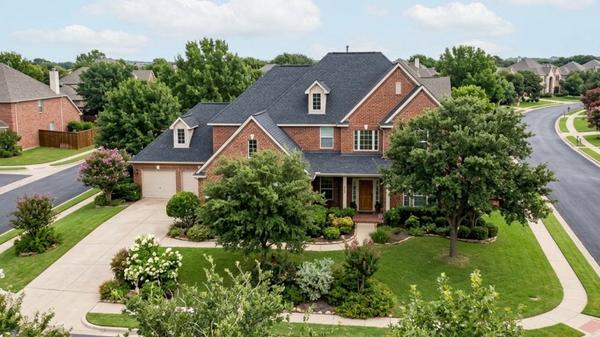
The median home sale price in the Flower Mound, TX housing market sits at roughly $690,000 as of mid-2026, and homes are moving in about 22 days on market. That's not a slow market. Investors who track Denton County regularly target this town for its single-family rental demand and steady appreciation - and the numbers give them reason to.
The real tension here is between high entry prices and what the rental market will actually pay you back. Single-family homes are commanding around $3,495 per month in rent, which makes a buy-and-hold strategy genuinely interesting if you can get the financing right. But making it work means looking hard at inventory levels, current interest rates, and the local rules around short-term rentals before you write an offer.
Is Flower Mound, TX a Good Place to Invest in Real Estate?
About 2.4 months of housing supply and 255 active listings put Flower Mound firmly on the seller's side of the ledger. Properties are closing at roughly 98.4% of list price, which tells you buyers aren't negotiating much room. When the right property shows up, you don't have time to sit on it.
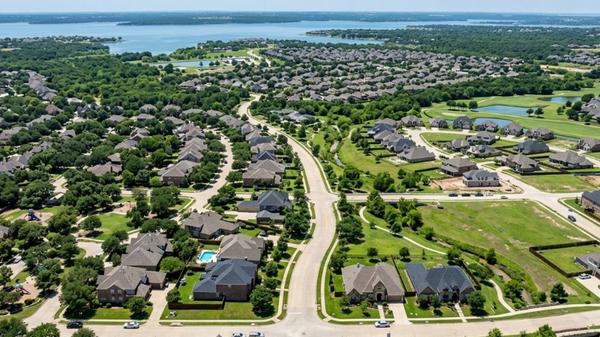
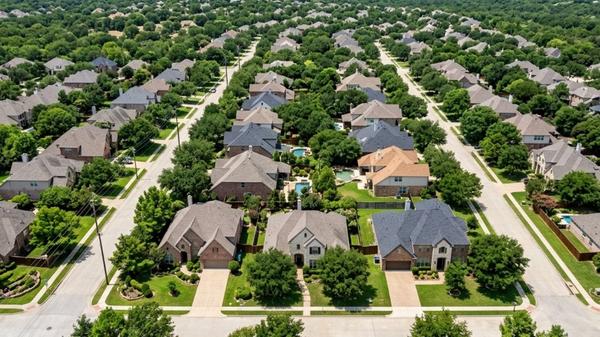
The town's population has stabilized at approximately 81,270 residents, growing at just 0.48% - a far cry from the rapid expansion of the past decade. That's actually useful information. You're not looking at a speculative boom town; you're looking at a mature market where tenant demand is steady and housing supply stays constrained. That combination tends to hold property values up over time.
Home Prices and Rent Potential
The $690,000 median sale price is the number that shapes everything else. Against that, single-family homes are generating median monthly rents of approximately $3,495 in the summer of 2026. Apartments run considerably lower - roughly between $1,959 and $1,965 - which is why most investors here focus on detached homes when they're trying to maximize gross income.
Carrying costs on a home at this price point add up fast, so your return calculation has to be honest from the start. And because these properties sell in about 22 days, you need financing lined up before you start making offers, not after.
Strategies for Building a Flower Mound Portfolio
Buy-and-hold rentals are what most local investors are running here. The single-family lease market is strong enough that securing a property generating $3,400 or more a month starts to offset your purchase costs while equity builds underneath you. House flipping exists as an option too, though the high entry prices and fast pace of the market leave very little margin for budget mistakes.
Either way, you'll want to run the numbers through some established formulas before you commit to anything.
Understanding the 1%, 2%, and 70% Rules
The 1% rule says a property should rent for at least 1% of its purchase price per month. At a $690,000 median, that target is $6,900 - which a standard long-term lease in Flower Mound isn't going to hit. Most investors here have already made peace with that and focus on total cash flow and long-term appreciation instead of chasing the 1% benchmark.
The 2% rule is essentially off the table at these price points. Flippers work from the 70% rule - pay no more than 70% of after-repair value minus repair costs. Some buyers also apply the 3-3-3 rule or the 7% rule to estimate long-term returns and capital expenses. These formulas don't make the decision for you, but they do help you filter out the properties that simply don't have enough margin to justify the risk.
Short-Term and Month-to-Month Rentals in Flower Mound
Flower Mound doesn't have a formal short-term rental licensing or permitting ordinance. The Town Council has repeatedly declined to adopt specific STR regulations, choosing to treat short-term rentals like standard residential leases. If you're comparing this to neighboring cities with strict caps, that hands-off posture is meaningful - Airbnb and VRBO operators have more room to work here.
That said, you're not operating in a tax-free zone. STR owners must register through a third-party platform called GovOS, and once you're registered, you're required to collect and remit the Town's 7% Hotel Occupancy Tax on all bookings. That sits on top of the 6% Texas state hotel tax, so plan accordingly.
Furnished and Corporate Leases
Beyond nightly stays, there's a real market for month-to-month furnished rentals - corporate relocations, traveling nurses, families waiting on new construction. This category tends to command a premium over the standard $3,495 median single-family rent, and the Dallas-Fort Worth metroplex generates steady relocation and business traffic year-round.
Some investors use the 75/55 rule when modeling this out - 75% occupancy and 55% operating expenses. It's a reasonable starting framework for a well-managed furnished property in a market like this.
Where to Buy and How to Get Started
With 107 homes sold in a recent monthly tracking period and only 255 active listings in circulation, inventory turns over fast. You're not browsing at leisure. It's worth watching for commercial listings or distressed single-family homes that offer room to force appreciation, since those are often where the better margins hide.
Not every property is worth chasing, though. A home in a designated flood zone or backing up to a busy commercial corridor comes with real carrying risk. Pull the local zoning maps and actually go look at what's behind and around a property before you get attached to the numbers.
Securing Financing and Evaluating Properties
Get your pre-approval or proof of funds together before you start making offers. Sellers in a 22-day market aren't waiting around for buyers who still need to sort out their financing.
A local agent who works specifically with investors can make a real difference here by finding properties, identifying wholesale opportunities, reading the market correctly, and connecting you with property management when you're ready for that step.
Frequently Asked Questions
Which neighborhoods in Flower Mound, TX offer the best ROI for rental properties?
It comes down to the individual property more than any particular neighborhood. Flower Mound is a mature market with steady values across the town, so the better question is whether the specific home's purchase price and rental potential line up. Single-family homes are your best target for income, with rents averaging around $3,495 per month.
Does Flower Mound allow Airbnb or short-term rental investments?
Yes - the town treats short-term rentals like standard residential leases and hasn't adopted a formal permitting ordinance. You do need to register through GovOS, and you're required to collect and remit the 7% local Hotel Occupancy Tax on top of the 6% state tax.
What is the average property tax rate for investment homes in Flower Mound?
It varies based on location and which school district boundaries apply to a given address. Check the Denton County Appraisal District website for the exact rate on any specific property. Taxes will move your carrying costs and affect your overall return, so don't leave this number as an estimate.
Is it better to buy an investment property in Flower Mound or neighboring Lewisville?
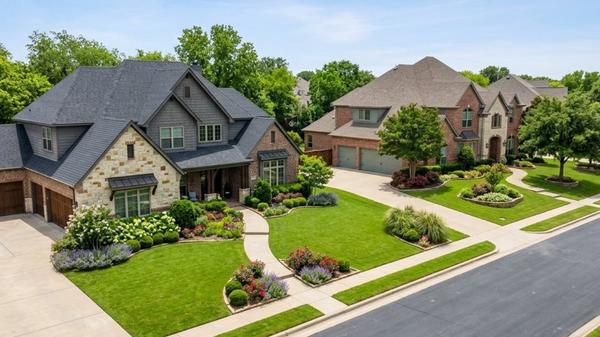
That depends on your strategy and budget. Flower Mound's median home sale price runs roughly $690,000, and it tends to attract tenants looking for premium single-family homes. Run the purchase prices and rental yields for both towns against your financial targets and see which one actually fits.
What are the most common HOA restrictions investors face when buying in Flower Mound?
It varies by subdivision, but exterior modifications, parking rules, and leasing terms are the most common areas where HOAs impose restrictions. Some associations set minimum lease durations that would rule out short-term rentals entirely. Read the specific community's bylaws before you buy - not after.
How quickly do single-family rentals typically lease out in the Flower Mound market?
Specific lease-up times vary property to property, but the broader market context is telling: homes are selling in a median of 22 days, and single-family rentals are commanding a median of $3,495 per month. Demand is strong. A well-priced, well-maintained home isn't going to sit vacant for long.
Categories
Recent Posts