Property Valuation in Flower Mound, TX: What Homeowners Should Expect in 2026
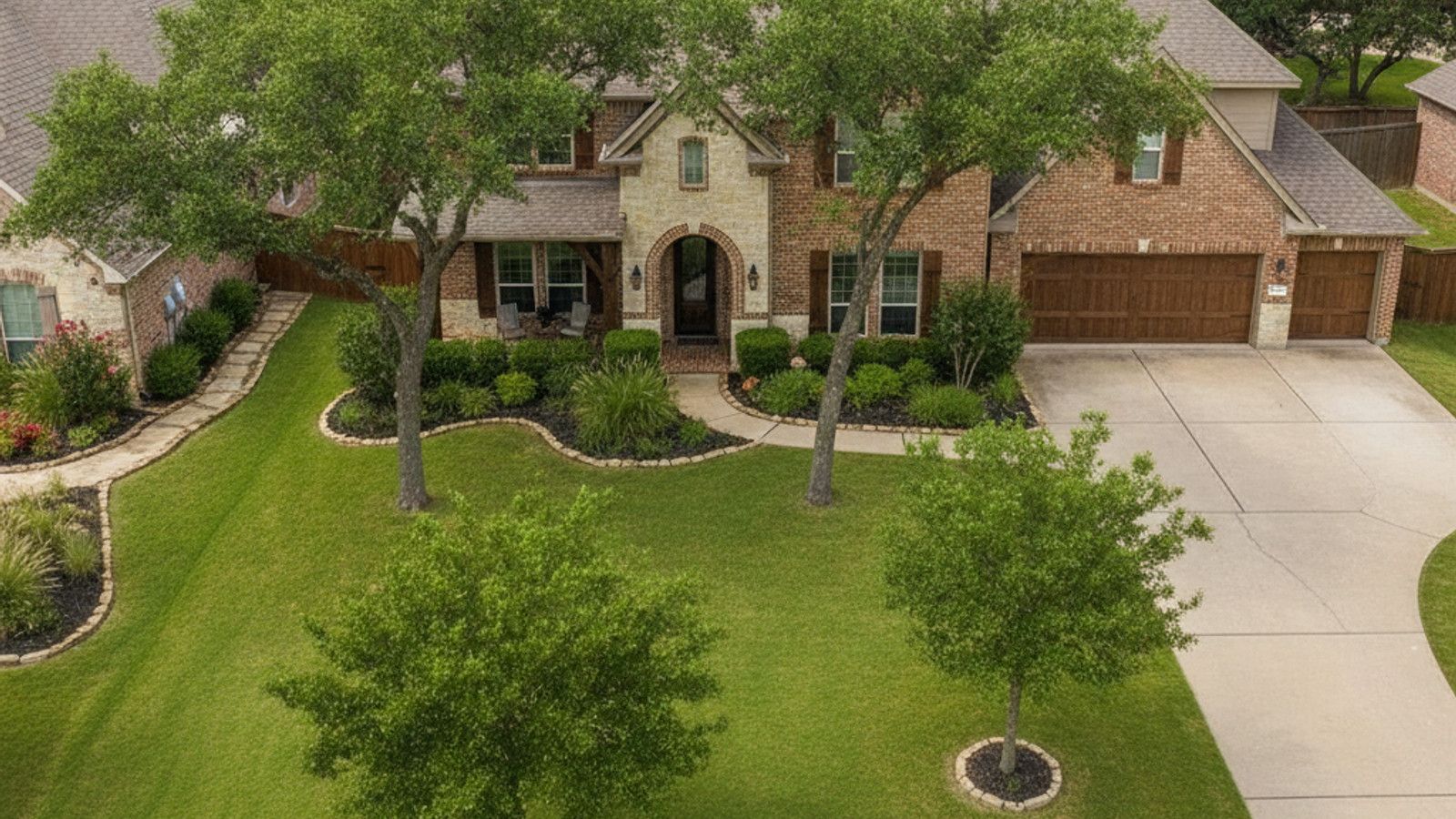
Determining a property valuation in Flower Mound, TX requires looking at both open-market sales and county tax records. Homeowners usually want to know their property's value for two distinct reasons: pricing a house to sell or protesting an annual property tax bill. The best real estate agent in Flower Mound, TX can provide the accurate market data needed for these situations. The process differs depending on the goal. A buyer's appraiser focuses on recent neighborhood sales and current property conditions, while the Denton Central Appraisal District calculates value based on mass appraisal models. Understanding how these numbers are generated helps you prepare for a sale or lower your annual carrying costs.
Current Real Estate Prices in Flower Mound
As of May 2026, the median sale price for homes in Flower Mound sits at roughly $690,000. Properties are spending an average of 22 days on the market before going under contract. With about 255 active listings, the area maintains around 2.4 months of housing supply, keeping conditions favorable for sellers.
Sellers are seeing strong returns at the closing table. The average sale-to-list ratio is approximately 98.4%, and just over 28% of homes are selling above their asking price. Buyers should expect firm negotiations, as well-priced homes continue to attract offers within the first few weeks of listing.
These market dynamics directly influence private appraisals. When a buyer goes under contract, their lender sends an appraiser to confirm the agreed-upon price aligns with recent closed sales. Because homes are selling close to list price, appraisal gaps are less common than they were during periods of extreme price spikes.
What Influences Home Prices in Town
Commute times and school boundaries dictate buyer demand across Flower Mound. The town's proximity to DFW International Airport makes it a target for frequent travelers and corporate relocations. Houses located within a 15-minute drive of the airport often command a premium over similar properties further north or west.
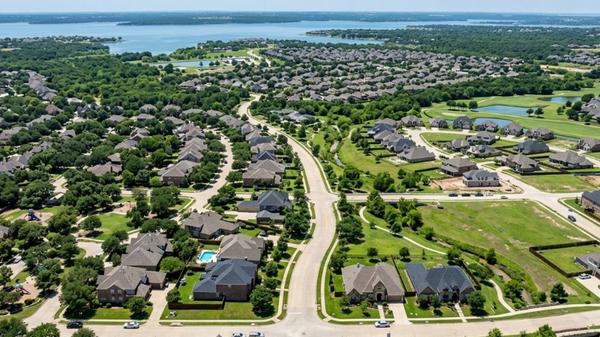
School zoning also drives localized price differences. Homes zoned for specific campuses within the Lewisville Independent School District see consistent buyer interest, which supports higher baseline valuations. Proximity to Grapevine Lake and local trail systems adds another layer of value, as buyers will pay more for immediate outdoor access.
Buyers should factor local tax structures into their purchasing decisions. Many newer developments operate within Municipal Utility Districts (MUDs) or Public Improvement Districts (PIDs). These districts levy additional property taxes to fund neighborhood infrastructure, which increases the monthly carrying cost and can lower the maximum purchase price a buyer can afford.
How Different Property Types Appraise
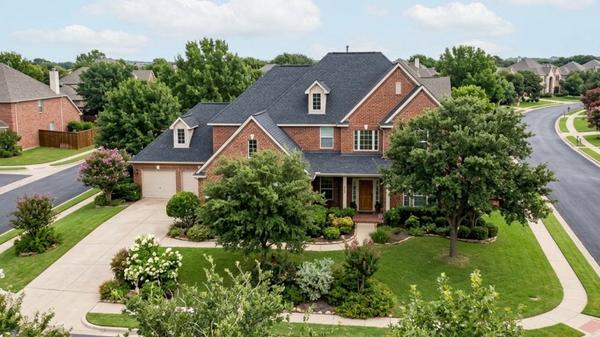
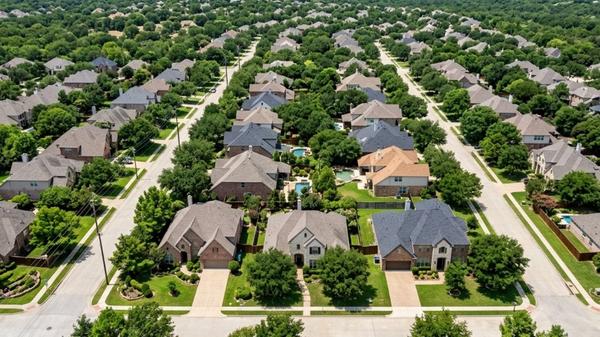
Flower Mound offers a mix of standard subdivision homes and large multi-acre estates. Appraisers evaluate these properties using different sets of comparable sales. For a traditional single-family home in a master-planned community, an appraiser will look for recent sales of similar floor plans within a one-mile radius.
Valuing a custom estate or a horse property requires a broader search. Appraisers often expand their radius to find comparable acreage and outbuildings, sometimes crossing into neighboring towns like Argyle or Bartonville. The value of the land itself becomes a larger component of the final appraisal figure.
Updates and renovations adjust the baseline price per square foot. A house built in the 1990s with its original kitchen will appraise lower than a similarly sized home down the street with a recent remodel. Appraisers assign specific dollar values to these improvements based on local market expectations.
Understanding County Tax Assessments
The Denton Central Appraisal District (DCAD) determines the assessed value of every parcel in the county each year. This assessed value is used by the town, county, and school district to calculate your annual property tax bill. It is not the same as market value, which is the exact amount a buyer is willing to pay on the open market.
DCAD uses mass appraisal techniques, analyzing entire neighborhoods at once rather than inspecting individual homes. Homeowners receive their annual notice of appraised value in the mail every spring. If the county's mass appraisal model overestimates the condition of your home, your resulting tax bill will be higher than necessary.
Steps to Protest Your Assessed Value
Texas law allows property owners to protest their assessed value if they believe it is too high. A successful appeal lowers the taxable value of the home, which directly reduces the annual tax bill. The standard deadline to file a protest is May 15, or 30 days after receiving the notice of appraised value.
To win a protest, homeowners must provide evidence that the county's valuation is inaccurate. Helpful documentation includes:
-
A recent private appraisal or settlement statement from a recent purchase.
-
Photos of foundation issues, water damage, or outdated interiors that lower the home's condition.
-
Closing data for comparable neighborhood homes that sold for less than the county's assessed value.
Tax Exemptions That Lower Your Bill
Filing for a homestead exemption is a proven way to lower an annual property tax bill. This state program removes a portion of the home's value from taxation for the primary resident. By lowering the taxable amount, the effective tax rate applied by the school district and county results in a smaller final bill.
Homeowners age 65 and older qualify for an additional over-65 exemption. This exemption establishes a ceiling on school district taxes, ensuring that portion of the tax bill will not increase even if the home's assessed value continues to rise. Disabled veterans and properties with agricultural or wildlife designations also qualify for specific exemptions that reduce carrying costs.
You must own and occupy the home on January 1 of the tax year to claim a standard homestead exemption. Applications are filed directly with the Denton Central Appraisal District and do not need to be renewed annually unless the deed changes.
Frequently Asked Questions
How is a property's value determined in Flower Mound, TX?
Market value is determined by what buyers are currently paying for comparable homes in your specific neighborhood. For tax purposes, the Denton Central Appraisal District uses mass appraisal models to assign an assessed value every spring. Private appraisals rely on recent closed sales, square footage, and property condition.
How are property taxes calculated in Flower Mound, Texas?
Your tax bill is calculated by multiplying your home's assessed value by the combined tax rates of Denton County, the Town of Flower Mound, and the Lewisville Independent School District. Any approved exemptions are subtracted from the assessed value before the rates are applied.
How much does a private home appraisal cost in Flower Mound?
A standard private appraisal for a single-family home typically costs between $450 and $650. Larger estates or complex rural properties often cost more due to the extra time required to find accurate comparable sales.
What is the over 65 exemption in Texas and how does it apply to Flower Mound property taxes?
The over-65 exemption provides an additional reduction in taxable value for senior homeowners and freezes their school district tax amount. Once applied, the school tax portion of the bill cannot increase above the amount paid in the first year the homeowner qualified.
Will the County Senior freeze on property taxes be implemented in 2026?
The over-65 school tax ceiling is a permanent fixture of Texas tax law and remains fully active for 2026. Denton County also offers its own local over-65 exemption, which further reduces the county portion of the tax bill.
Is it advisable to buy a house with Mello-Roos taxes in Flower Mound, or are there areas without MUD/PID taxes?
Texas uses Municipal Utility Districts (MUDs) and Public Improvement Districts (PIDs) instead of Mello-Roos. Many older, established neighborhoods in Flower Mound do not have these assessments. Buyers should weigh the higher monthly costs of a MUD against the newer amenities those districts typically provide.
What is the deadline and process to file a property tax protest with the Denton Central Appraisal District?
Homeowners must file a notice of protest by May 15 or within 30 days of receiving their appraisal notice. The process involves submitting a form online or by mail, followed by an informal hearing or a formal review before the Appraisal Review Board.
Categories
Recent Posts