Guide to Retirement Communities in Flower Mound, TX for 2026
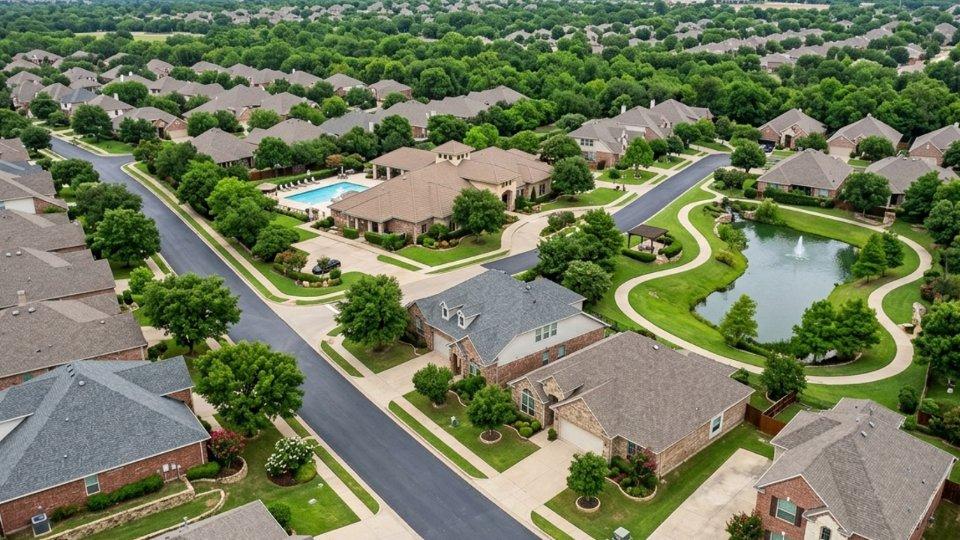
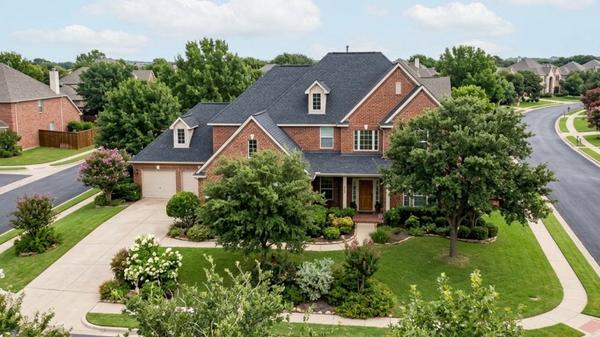
For those weighing the pros and cons of living in Flower Mound, the median home price sits around $690,000 right now, with homes spending roughly 22 days on the market. About 28% of homes sell above list price - so this isn't a place where you'll lowball your way to a deal.
If you're an older adult looking at Denton County, you've got real options. Age-restricted apartment complexes, single-story neighborhoods built around low-maintenance living, continuing care campuses - they're genuinely different products, and knowing which one fits your situation saves you a lot of wasted tours.
Senior Living Options in Flower Mound
Texas law lets certain developments restrict residency by age. Under the Housing for Older Persons Act - the 80/20 rule - a community qualifies as a 55+ property if at least 80% of its occupied units have one resident who is 55 or older.
That other 20% can legally house younger residents, but plenty of HOAs choose to enforce the age minimum across every unit regardless. Before you fall in love with a place, read the HOA declarations carefully. What the law permits and what a specific community actually enforces are two different things.
Active Adult and Independent Living
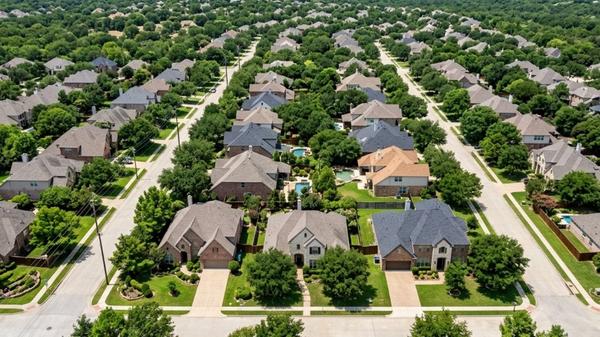
Active adult neighborhoods are built for people who don't need medical support - just a home that doesn't require weekend maintenance. You'll typically find clubhouses, fitness centers, and walking trails bundled in.
Independent living facilities run on a similar premise but are usually rental apartments with added hospitality services layered on. Pinewood Hills in Flower Mound is one example - it provides supportive services and meals, but it's not an assisted living facility and doesn't offer medical care.
Assisted Living and Continuing Care
If you or a family member needs help with daily activities like medication management or getting around, assisted living is the appropriate category. The Oaks at Flower Mound on Long Prairie Road operates as an assisted living and memory care community and provides specialized support for residents who need it.
Continuing Care Retirement Communities, or CCRCs, take a tiered approach - you move in as an independent resident and can transition to assisted living or skilled nursing within the same campus if your needs change. Specific entrance fees for Flower Mound CCRCs aren't widely published, but statewide monthly fees for this level of care typically run between $2,250 and $4,800.
Featured 55+ Neighborhoods and Apartments
Flower Mound's housing inventory runs around 255 available homes at any given time, which translates to about 2.4 months of supply. That's a thin market, and the properties that fit a retirement buyer's needs move quickly.
Renters have dedicated options too, concentrated near retail and dining. The Lakeside DFW area is where a lot of this inventory clusters - Overture Flower Mound 55+ on Lakeside Parkway is one of the better-known properties there.
Buying Versus Renting
Buying into an age-restricted neighborhood locks in a fixed housing payment - though you're still subject to annual property tax adjustments and whatever the HOA decides to charge. The upside is equity, which can matter later if care costs rise or you're thinking about estate planning.
Renting requires less capital upfront and hands the maintenance headaches to someone else. It also gives you flexibility if your care needs shift or you decide you want to be closer to family outside the Dallas-Fort Worth metroplex. Neither path is obviously right - it depends on your timeline and your balance sheet.
Affordable Housing in Denton County
The starting point for affordable senior housing in this area is the local income threshold. In Denton County, the area median income is $117,300 for a family of four in 2026. "Low Income" is defined as 80% of that figure; "Very Low Income" is capped at 50%, which works out to $58,650 for a four-person household. Seniors within those brackets may qualify for subsidized apartments or voucher programs in the area.
Expected Costs for Flower Mound Senior Housing
The overall cost of living in Flower Mound is an important consideration for retirees. Costs vary a lot depending on what level of care you're looking at and what type of facility you're considering. A standalone house means a mortgage or cash purchase, plus property taxes and HOA dues. A facility that bundles housing with meals, housekeeping, and care services is going to cost more every month - sometimes significantly more.
It's worth mapping out what you can handle now and what you might need to fund down the road, separately.
Average Rent for Senior Apartments
A 55+ apartment in Flower Mound typically runs between $1,600 and $2,100 per month. Apartments.com puts the average at $1,683; ApartmentHomeLiving.com tracks it a bit higher at $2,066 per month. If you're looking for lower monthly overhead, properties like Evergreen at Lewisville Senior Living nearby have units starting closer to $1,216.
Medicare and Subsidized Care
Medicare doesn't pay for room and board in an assisted living facility or a retirement community. It covers approved medical services - physical therapy, short-term skilled nursing after a hospital stay - but not the housing itself.
Texas residents who can't afford private assisted living may have options through Medicaid waiver programs, though those come with strict income and asset limits and often involve waiting lists.
Deciding if Flower Mound is the Right Fit
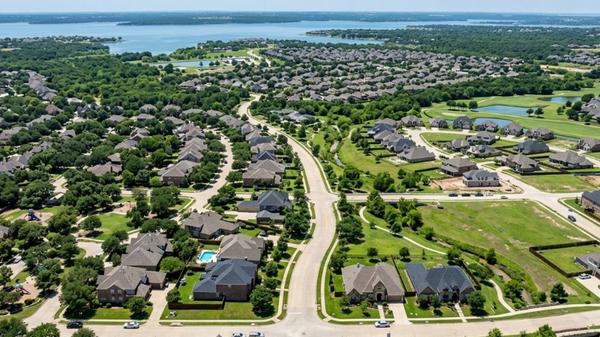
Flower Mound is a suburban town with extensive parks and trails and easy access to Dallas-Fort Worth International Airport. Texas Health Presbyterian Hospital Flower Mound is here, and the broader metro puts major healthcare providers within a reasonable drive.
For retirees who want proximity to big-city amenities without actually living in the urban core, that's a reasonable tradeoff. Interstate 35W and local parkways keep most parts of town accessible for visiting family and anyone who still commutes occasionally.
Benefits of Retiring Here
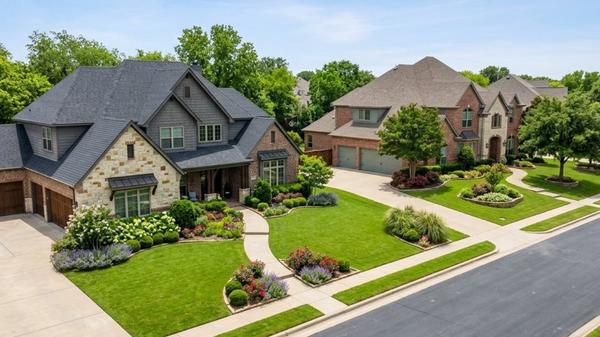
The specialized senior communities here handle exterior maintenance, landscaping, and community programming - which is the whole point for a lot of buyers. Mixed-use areas like Lakeside DFW put shops and restaurants within walking distance.
Texas has no state income tax, which is meaningful if you're drawing from a pension or 401(k). Local property tax exemptions for seniors add another layer of relief on the ownership side.
Common Drawbacks to Consider
The biggest practical limitation of a 55+ community is who can actually live there with you. Adult children who don't meet the age requirement generally can't move in permanently - that rules out multi-generational arrangements for most families.
Assisted living and independent living facilities also represent a significant financial commitment, and pricing across the Dallas-Fort Worth metroplex isn't standardized. You'll need to compare individual properties line by line.
Steps to Choose and Tour a Facility
Tour more than one property. Walk through the dining room during a meal. Look at the grounds on a weekday afternoon, not just during a scheduled showing. You'll learn more in twenty minutes of wandering than in an hour of the formal presentation.
For facilities that provide personal care or medical support, the Texas Health and Human Services Commission (HHSC) licenses and regulates them statewide - that's your starting point for vetting.
Vetting Communities and Asking Questions
Before you sign anything, ask for a full breakdown of every recurring fee and exactly what it covers. Get a copy of the community rules and read the sections on pets, parking, and exterior modifications - those tend to be where surprises hide.
For assisted living specifically, pull the HHSC website for recent inspection reports and licensing status. Ask directly about the staff-to-resident ratio and how the facility handles medical emergencies. That conversation tells you a lot about how the place actually operates day to day.
Frequently Asked Questions
Do all retirement communities in Flower Mound require residents to be 55 and older?
Under the 80/20 rule, a community qualifies as 55+ if at least 80% of occupied units have one resident who is 55 or older. The remaining 20% can legally house younger residents, though many HOAs choose to enforce the age minimum across all units.
How much are typical HOA fees for 55+ communities in Flower Mound, and what do they cover?
HOA fees vary by neighborhood and typically cover common area maintenance, landscaping, and shared amenities like clubhouses. Specific fee amounts for Flower Mound developments depend on the property size and the services provided.
How do Denton County senior property tax exemptions work for retirees buying in Flower Mound?
Homeowners aged 65 and older can apply for a senior exemption on their primary residence, which lowers the home's taxable value. The exemption also helps freeze the school district portion of property taxes.
Are there active adult communities in Flower Mound that offer single-story townhomes or condos instead of large houses?
Yes. Buyers can find attached housing options like townhomes and condos in the area, and developments near Lakeside DFW offer apartment-style living with smaller floor plans built around low maintenance.
What happens if I want to leave my Flower Mound age-restricted home to my adult children who are under 55?
Adult children can inherit the property, but they generally can't live in it if they don't meet the community's age requirements. They'd need to sell it, rent it to an age-qualifying tenant, or leave it vacant while continuing to pay HOA dues.
Which Flower Mound retirement neighborhoods offer golf course access or direct trail connections?
Many local master-planned developments incorporate walking trails and green spaces. For specific golf course access, you'll want to review individual neighborhood maps and HOA amenities lists - it varies by community.
Categories
Recent Posts