The History of Flower Mound, TX: Origins, Landmarks, and Local Growth
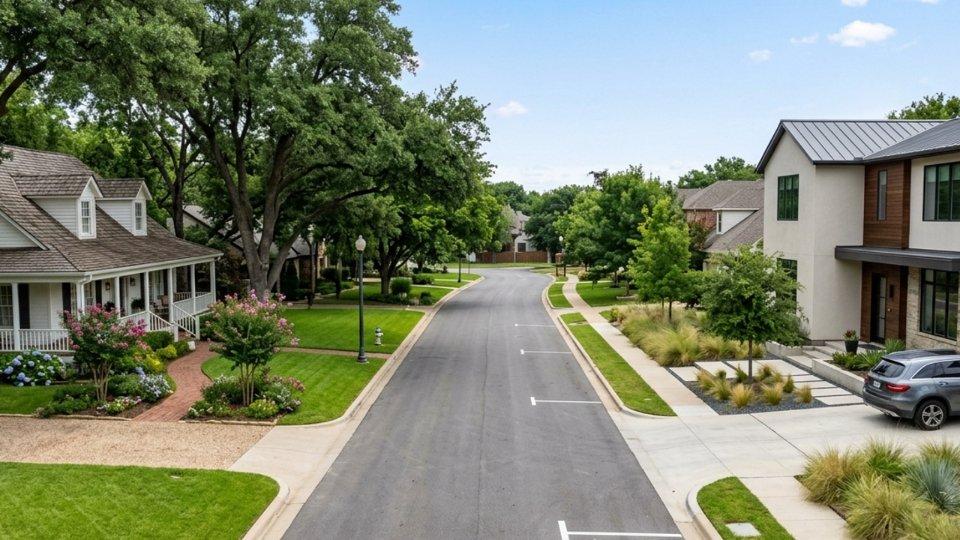
Flower Mound, TX, sits centrally within the Dallas-Fort Worth Metroplex, just a few miles north of DFW International Airport. If you've been weighing the pros and cons of living in Flower Mound, TX, you've probably already noticed what makes the area feel different from other DFW suburbs - modern master-planned communities sitting right alongside preserved natural landscapes, with very little of the strip-mall sprawl that swallowed up a lot of North Texas. That contrast isn't accidental. It's the product of a specific history.
The mid-2026 market reflects just how much sustained demand this town draws. The median home sale price is around $690,000, homes are spending roughly 22 days on the market, and there are about 255 homes in inventory at any given time. That's a fast-paced environment. Flower Mound's development history explains why certain areas look and feel the way they do when you tour properties here.
Early Origins and the Meaning Behind the Town's Name
The name isn't just a marketing choice. There's an actual mound - 12.5 acres of native Tall Grass Prairie sitting at the corner of FM 3040 and FM 2499. Long before any of this was developed, the Wichita Indians considered this smooth, dome-shaped hill a sacred site. It's a genuine topographical landmark in a part of North Texas that's otherwise pretty flat.
When settlers from the Peters Colony arrived, they named the hill for the wildflowers blanketing its surface. It was never built on, and the State of Texas made sure it stays that way - designating it a Historic Site in 1984 as development began spreading in every direction around it.
The 12.5-Acre Namesake Landmark
Drive down FM 2499 and you'll see the mound exactly as early settlers did. It's protected prairie grass, permanently off the table for any developer. The designation isn't symbolic - the land cannot be built on, and local zoning keeps the area immediately surrounding it clear of heavy commercial encroachment. That protection is baked in. The views and the natural state aren't going anywhere.
Founding Dates and County Boundaries
Settlement in this area goes back to the 1840s, when Presbyterian groups established religious camps here. For more than a century after that, it was mostly farms and ranches - quiet, sparse, rural. Formal municipal government didn't arrive until the mid-20th century, when growth across the broader Dallas-Fort Worth region made it necessary.
The town of Flower Mound incorporated on February 25 (some historical records note February 27), 1961. That incorporation gave the community the tools to manage its own zoning and infrastructure just as DFW was beginning to expand in earnest.
Location Within Denton and Tarrant Counties
Flower Mound sits primarily in southern Denton County, with a small portion of its boundaries dipping into Tarrant County. That's not just a trivia detail - which county a specific parcel falls into determines where you pay property taxes and which county services apply to you. When you're narrowing down a list of homes here, it's worth confirming the county early.
The central DFW location also puts DFW International Airport close. For frequent travelers or airline employees, that proximity is often a deciding factor.
Historic Sites and Early Neighborhoods
Flower Mound is mostly known for newer subdivisions, but there are real artifacts from its earlier history scattered around town. The Gibson-Grant Log House is the most striking example - a genuine pioneer-era log cabin that turned up in 2015 when developers discovered it completely hidden inside a modern ranch-style home. The town restored the structure, and it now holds an official designation as a Texas Historic Landmark. It's a useful reference point if you want to understand just how different 19th-century construction methods were from what's being built here today.
Timber Creek and Planned Development
Timber Creek tells a different part of the story. Built under the federally backed "Flower Mound New Town" project in the 1970s, it was designed as an early planned neighborhood - part of a larger vision for four distinct village centers along the north shore of Grapevine Lake. The full New Town concept shifted over time, but Timber Creek survived and is still recognized as one of the town's historic early neighborhoods.
If you tour homes there, you'll notice the difference immediately. Larger lots, mature trees - the kind of canopy that takes decades to grow and that newer post-2000 subdivisions simply don't have yet.
Common Questions About Flower Mound Real Estate
Can you buy property or build new construction near the actual historic 'Flower Mound' site?
You can buy existing homes near it, but the mound itself is off-limits to development, full stop. The 12.5-acre Tall Grass Prairie mound at FM 3040 and FM 2499 is a designated State of Texas Historic Site, and that land is permanently protected. No building on it - period.
Are there designated historic districts in Flower Mound, TX, that restrict how I can renovate an older home?
It depends on the specific property. The Gibson-Grant Log House carries strict Texas Historic Landmark protections. Early neighborhoods like Timber Creek may operate under standard municipal zoning rather than formal historic preservation restrictions. Before you assume one way or the other, check the town's zoning map for the specific parcel you're looking at.
When were the original neighborhoods in Flower Mound developed, and how old is the typical housing stock?
Settlement goes back to the 1840s, but large-scale residential development came much later. The Timber Creek Community was developed in the 1970s under the "Flower Mound New Town" project. The broader housing stock was built in the decades following that initial push.
Do any older properties in Flower Mound still qualify for historical or legacy agricultural property tax exemptions?
Possibly - but it depends on the property's current use and whichever county appraisal district governs that parcel. Flower Mound spans both Denton County and Tarrant County, and each county assesses agricultural or historical exemptions based on continuous use. Verify the current tax status with the relevant county appraisal office before you close.
How do home prices in Flower Mound's historic equestrian areas compare to the newer master-planned communities?
Pricing shifts based on lot size and exact location. The current median home price across Flower Mound is around $690,000. Older properties with large acreage tend to price differently than newer master-planned homes, which are running about 22 days on the market right now.
What happens if I buy an older lot in Flower Mound - are there strict conservation rules for removing historic trees?
Yes, and buyers overlook this more than they should. The town enforces tree preservation ordinances for older lots and new developments alike. Removing certain protected or specimen trees requires permits. If you're looking at an older property with a mature canopy and you're thinking about clearing any of it, talk to the town's environmental services department before you make plans that assume you can.
Categories
Recent Posts