Is Flower Mound, TX Safe? A 2026 Buyer's Guide
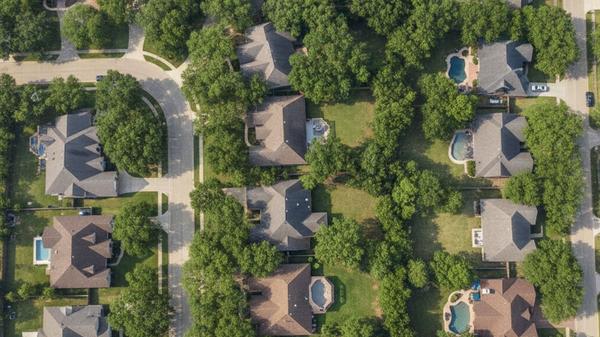
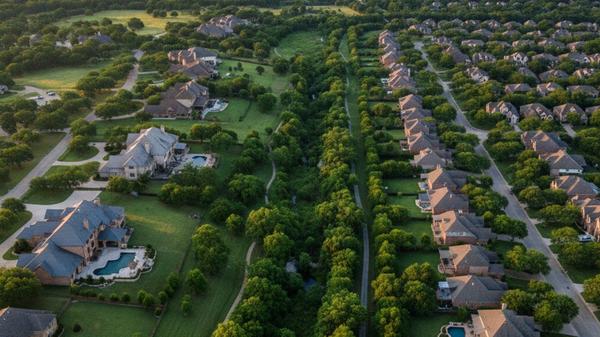
Flower Mound sits in Denton and Tarrant counties, positioned centrally within the Dallas-Fort Worth metroplex. The town provides quick access to major employment centers while maintaining a suburban environment just north of Grapevine Lake. Buyers looking at North Texas often focus on this area for its established infrastructure, extensive parks, and large residential lots.
A thorough review of a new town includes looking at data on crime rates, local schools, property taxes, and daily commute times. Flower Mound maintains a reputation for low crime, supported by specific town policies like the SMARTGrowth program that manages local development. This guide breaks down the 2026 numbers to help you decide if this area fits your home search.
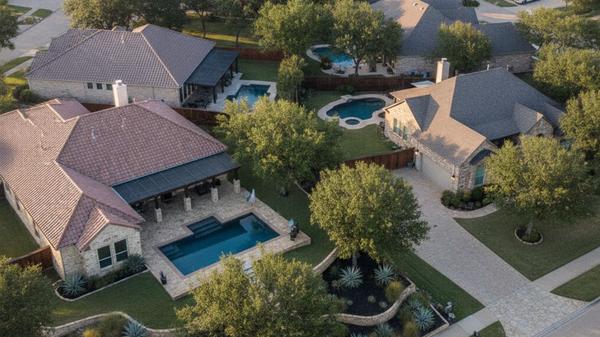
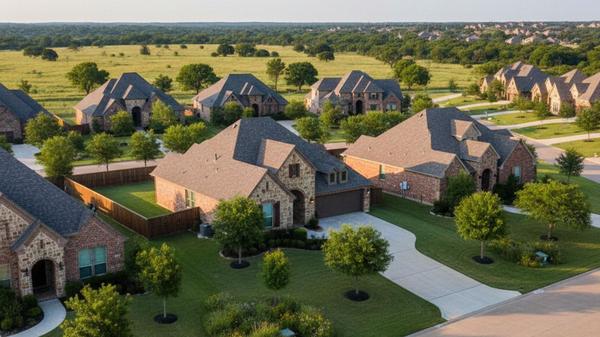
The local housing market includes options ranging from townhomes near shopping centers to large estates on multi-acre lots. The town's layout prioritizes residential space over heavy industrial zones, which shapes the daily experience of living here. Understanding these local characteristics is a standard part of evaluating North Texas real estate.
Crime Statistics and Police Response in Flower Mound
The violent crime rate in Flower Mound sits around 57 incidents per 100,000 residents. This figure is roughly 75% to 84% lower than the Texas state and national averages. Property crime rates also remain well below the state average, a metric that regularly places the town on lists of the cities with the lowest crime rates in the United States.
Local officers monitor the commercial corridors along Highway 114 and the residential subdivisions spreading north toward Denton. The Flower Mound Police Department maintains these low numbers through visible community presence and dedicated emergency services. Buyers reviewing crime statistics will find that the town's data reflects a consistent trend of low incident reports over the past decade.
Residents benefit from community policing initiatives, including neighborhood watch programs and regular public safety seminars. The town invests in updated emergency response technology, ensuring quick dispatch times for both police and fire departments. This ongoing municipal investment directly supports the low crime statistics reported each year.
School Districts Serving Flower Mound
Most homes in Flower Mound fall within the Lewisville Independent School District. This district covers the eastern and central portions of the town, operating numerous elementary, middle, and high schools. A smaller section of western Flower Mound zones into the Argyle Independent School District, which serves the newer developments on that side of town.
Both districts post high graduation rates and routinely score above state averages on standardized testing. Home values often correlate with these specific attendance zones, so buyers should verify the exact school assignments for any property they consider. The Texas Education Agency provides public performance data for all campuses in both Lewisville ISD and Argyle ISD.
Extracurricular programs, particularly in athletics and fine arts, draw significant participation across both school districts. The facilities include modern stadiums, performing arts centers, and specialized science labs that rival nearby private institutions. Buyers moving into the area often factor these campus amenities into their neighborhood selection process.
Parks, Trails, and Grapevine Lake Access
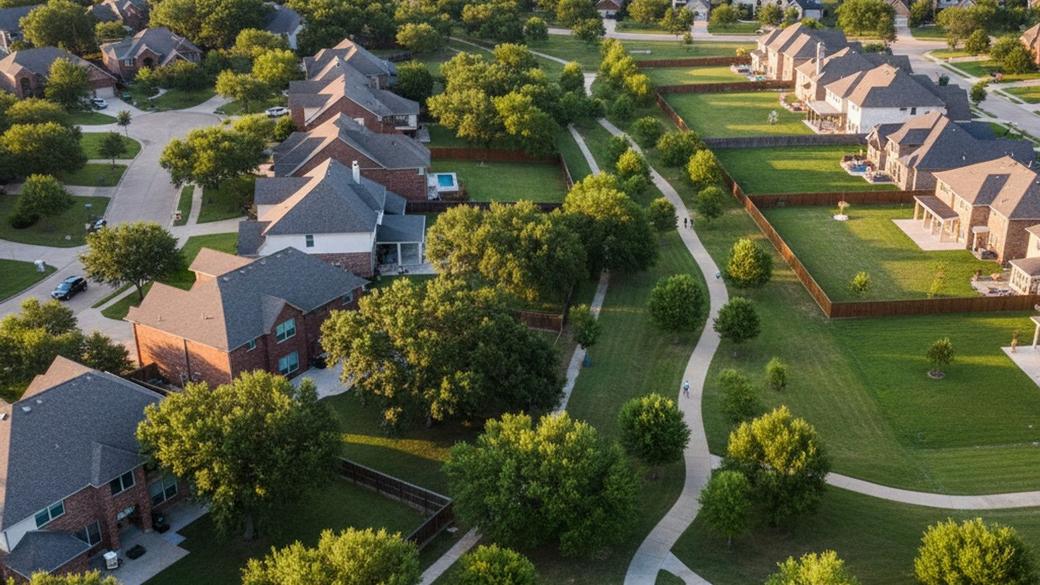
Flower Mound manages over 70 miles of interconnected multi-use and equestrian trails. These paved and unpaved paths weave through residential neighborhoods, connecting subdivisions to commercial centers and public parks. The local SMARTGrowth initiative specifically protects these open spaces and limits dense commercial development near residential boundaries.
Grapevine Lake forms the southern border of the town, offering marinas, boat ramps, and hiking trails. Residents also utilize municipal amenities like Heritage Park and the Community Activity Center, which provides indoor and outdoor recreation year-round. Golfers have access to private and municipal golf courses, including the Tour 18 course and the Bridlewood Golf Club.
The Cross Timbers region provides a natural backdrop for many of these outdoor spaces, featuring dense groves of native oak trees. The town frequently updates its parks and recreation master plan to add new playgrounds, dog parks, and athletic fields as the population grows. This focus on outdoor living remains a primary draw for buyers relocating from denser urban environments.
Real Estate Prices and Property Taxes
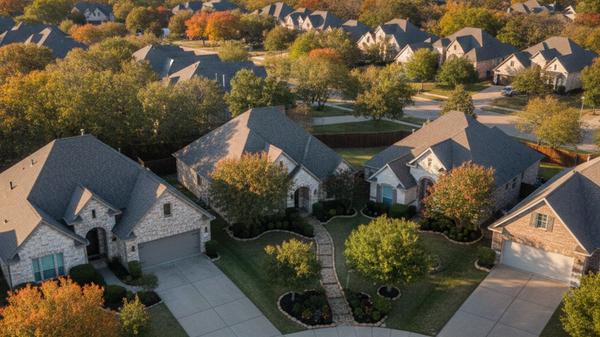
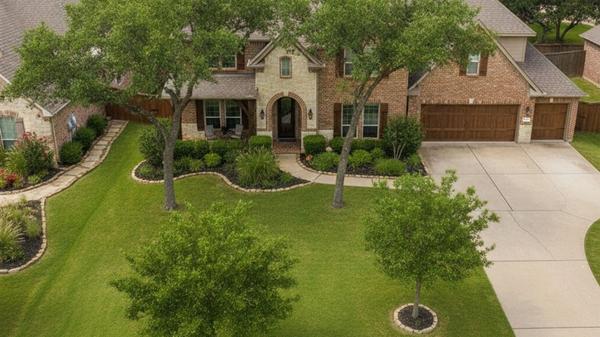
The median home price in Flower Mound runs between $620,000 and $735,000 in 2026. Inventory primarily consists of single-family homes, ranging from established 1990s builds to newer construction in master-planned communities. Neighborhoods like Bridlewood feature large lots, mature trees, and community amenities that drive premium pricing.
Property taxes vary depending on the school district zoning. Homeowners in the Lewisville ISD portion pay a combined tax rate of approximately 1.69%, while those in the Argyle ISD section pay closer to 1.79%. The Town of Flower Mound charges a base municipal rate of $0.387278 per $100 of valuation and offers a 20% local homestead exemption to help offset costs.
Homeowners association fees represent an additional monthly cost in many of these subdivisions. These fees cover the maintenance of shared spaces, community pools, and private security patrols in gated sections. Buyers should review the specific HOA documents and financial reserves during the option period of a purchase contract.
Commute Times to Dallas, Fort Worth, and DFW Airport
Flower Mound is centrally located between Dallas and Fort Worth, making it a practical base for commuters. DFW International Airport is roughly 10 miles south of the town center. Drivers can typically reach the terminals in 16 to 25 minutes using local roads and Highway 114.
Reaching Downtown Dallas covers about 28 miles and takes 35 to 45 minutes, depending on morning traffic congestion along I-35E. The drive to Downtown Fort Worth follows a similar timeframe via Highway 114 and I-35W. Buyers should test these routes during rush hour to understand the daily commute before making an offer on a home.
Public transportation options remain limited within the town borders, so owning a personal vehicle is a practical necessity. Some commuters utilize the Denton County Transportation Authority train stations in neighboring Lewisville to access the broader Dallas area transit network. However, driving remains the primary mode of transportation for the vast majority of local residents.
Frequently Asked Questions
What is the crime rate in Flower Mound, TX?
Flower Mound records about 57 violent crimes per 100,000 residents, well below the national average of nearly 380. Property crime also tracks lower than most North Texas suburbs. The local police department publishes monthly incident reports online for public review.
How much does it cost to live in Flower Mound, TX?
Housing is the largest expense, with median purchase prices sitting near $675,000. Buyers also need to budget for property taxes, which hover around 1.7% of the assessed value depending on the specific school zone. Everyday expenses like groceries and utilities align closely with the broader Dallas-Fort Worth metro average.
How long is the commute from Flower Mound to DFW Airport?
Most residents can drive to the airport in under 25 minutes. The route down FM 2499 provides a direct path to the north entrance of the terminals. This quick access makes the town popular with frequent travelers and airline employees.
Categories
Recent Posts