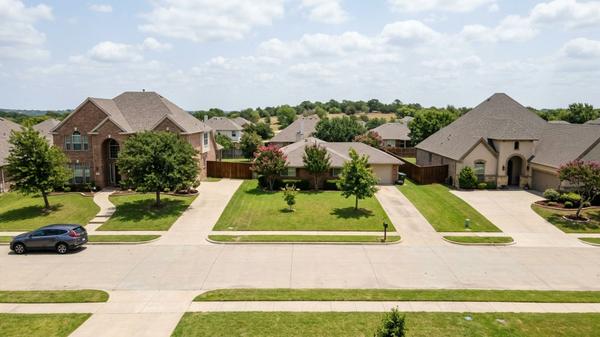
How to increase your home value in Highland Village, TX before selling in 2026
The decision to sell a home brings up an immediate question: what needs fixing, and what should be left alone? It's a genuine balancing act between spending enough to attract buyers and keeping your costs low enough to walk away with a profit.
Spending money on the wrong updates cuts into your equity. To get the highest return, focus on the specific repairs and cosmetic improvements that local buyers pay for, rather than guessing what might look best.
Key takeaway
In Highland Village right now, the work that adds value before a sale is repairs and presentation: inspection fixes, paint, lighting, curb appeal, and staging. Full remodels usually don't pay back. With local home prices slightly lower than last year, buyers are judging condition hard, and a $40,000 kitchen is unlikely to come back in full at sale. If your systems are sound but the house looks dated, a minor refresh beats a full gut.
Who this guide is for
You own a home in Highland Village, plan to sell within the next year or so, and are deciding which repairs and upgrades are worth paying for before you list.
What homes sell for in Highland Village right now
Highland Village's median sale price is down year over year, yet 22.6% of homes are still selling above list. That gap tells you something useful: the value you can add before selling comes from repairs and presentation that put a home in that top group, not from big remodels whose cost the local market rarely repays.
The current market still rewards the best-prepared homes. The question is what moves yours into that group, not how much total money you can spend. Online estimates from portals are just a starting point, and recent sold comparables in your specific subdivision will set the real number. You can review local market trends and outlooks to see the broader picture before deciding on a budget.
How to choose your pre-sale projects
Your timeline, your home's current condition, and local costs determine where to spend money.
Ask yourself if you are listing within the next six months. If so, focus on repairs that protect your sale price and presentation updates that help a home sell, and treat major remodels as a list of things to skip. If a past or pre-listing inspection has flagged the foundation, roof, or HVAC, start there before spending anything on cosmetics. Run any project through a break-even test before you sign a bid: if it costs more than it would add at the local price per square foot, it's hard to justify. And if a project changes the exterior or adds square footage, check HOA approval and city permits before anyone picks up a hammer.
Getting a pre-listing inspection
An inspection before listing lets you see exactly what the buyer's inspector will see. You can then sort the findings into what to fix now (safety issues, water leaks, major systems), what to fix cheaply, and what to offer as a credit. Keep all receipts and warranties to hand to buyers as proof of the work.
Texas sellers of most homes must give buyers a written seller's disclosure notice of known conditions, as required by Section 5.008 of the Texas Property Code. One thing to understand: once an inspection tells you about a defect, it's a known condition you have to disclose, whether or not you fix it. Ask a real estate attorney if you are unsure what applies to your situation.
Fixing foundation and drainage issues
North Texas clay soil expands when wet and shrinks when dry, which is why many local owners water their foundations in summer. Buyers notice cheap, effective fixes: gutters and downspouts that move water away from the house, correct grading around the perimeter, and steady foundation watering during dry months. If you suspect major movement, call a structural engineer for a written report before hiring a repair crew.
Foundation repair is expensive and stays on your disclosure afterward. Ask the repair company whether its warranty transfers to the next owner, because a transferable warranty is what reassures a buyer. What you give up is the chance to put that money toward visible, cosmetic upgrades.
Servicing the roof and HVAC
The roof and the air conditioning are the two big-ticket systems that buyers' inspectors and insurers focus on. A documented roof with plenty of life left can matter more than a brand-new one. Verify your HVAC contractor's license with the Texas Department of Licensing and Regulation before having your system serviced, and review seasonal weather and home costs to see how extreme temperatures affect older units.
A full roof or HVAC replacement rarely returns its whole cost at sale. Buyers expect systems that work, not new ones, so a repair plus a credit can come out ahead. Ask your insurer how roof age affects a buyer's coverage or premium before deciding to replace it. Ignoring a failing system, though, will almost certainly stall the closing process.
Updating paint, flooring, and fixtures
Paint, flooring, and fixtures offer the most value for a few thousand dollars if you plan to list within 60 days. Use neutral interior paint, replace worn carpet, and update light fixtures, cabinet hardware, and faucets. Keep the finishes consistent with the home's era and style.
Your personal taste isn't the buyer's, and uneven do-it-yourself work reads worse than dated-but-clean rooms. Ask your HOA for its architectural review rules before changing exterior paint colors. The trade-off is time: this work requires attention to detail to look professional.
Updates that help your home sell faster
Presentation updates are low-cost, visible improvements aimed at the first week on the market. They help your home compete for the group of buyers willing to pay above list price.
Buyers form their opinion of a house within seconds of pulling up to the curb or clicking through online photos. Money spent to make those first impressions count often pays back in a faster sale.
Improving curb appeal and landscaping
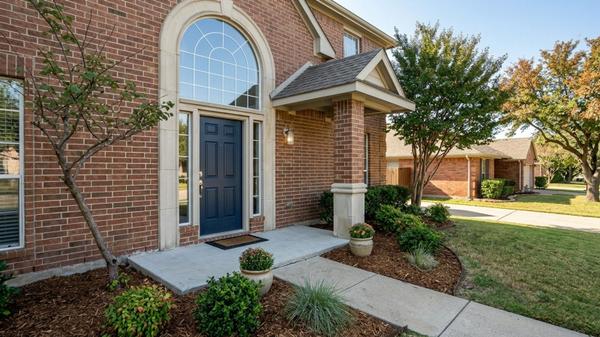
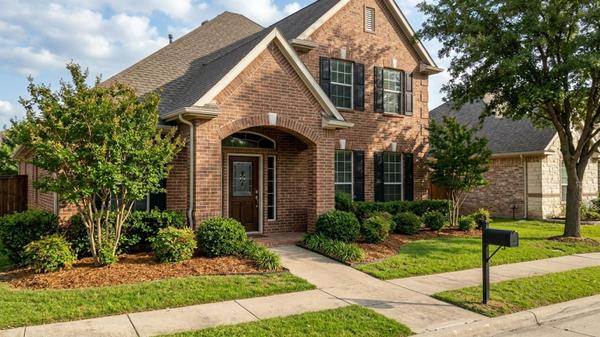
The front door, garage door, trimmed trees, fresh mulch, and a clean walkway are what show up first in listing photos. Garage door replacement is consistently among the highest cost-recouping projects nationally in the Cost vs Value report. Plan your landscaping ahead of the list date and favor drought-tolerant plants.
New sod put in during summer watering limits may struggle, so check city water rules before planting. HOA rules may also limit plant, fence, and color choices, so ask for the architectural guidelines first. Aggressive landscaping changes also require constant watering and upkeep while the home is listed.
Investing in staging and photography
The median time on market in Highland Village is 41 days, and each extra week adds mortgage, tax, insurance, and utility costs. Staging, whether decluttering, rearranging furniture, or renting pieces for a vacant home, aims at capturing attention in the first week. According to a 2025 National Association of Realtors survey, 83% of buyers' agents said staging made it easier for buyers to picture a home as theirs.
Staging costs money up front, and vacant-home staging is usually billed monthly, so a slow sale raises the bill. Get staging quotes in writing, including the monthly rate for vacant-home furniture. Living in a staged home during showings is also a daily chore that requires constant cleaning.
Renovations to skip before selling
Expensive projects rarely pass the break-even test if you plan to move soon. A massive remodel makes a home more enjoyable to live in, but buyers rarely pay dollar-for-dollar for construction costs.
If you're selling in the next year, question or skip projects that require major demolition. The timeline alone can delay your listing and push you into a slower selling season.
Major kitchen and bath overhauls
If you want to update a dated kitchen without losing money, choose a minor refresh rather than a full remodel. A minor kitchen remodel recoups a far larger share of its cost than a major one. Painting cabinets, installing new counters, updating hardware, and swapping out one or two appliances will modernize the space without requiring a full gut.
Skipping updates isn't free, either. A visibly original kitchen next to updated comparables in your subdivision can pull your price down. Ask an agent for 90-day sold comps in your subdivision with price per square foot, split by updated versus original condition, before deciding how far to go. The risk of a full remodel is over-improving for your specific neighborhood.
Pools, additions, and major expansions
Pools add maintenance and insurance costs that some buyers count against the home. Additions raise the total price but can push your price per square foot above comparable sales. Both take months of permits and construction that can push back a list date.
Big projects need city permits and often HOA approval. Unpermitted past work can surface in a buyer's due diligence, so confirm with the City of Highland Village whether your project needs a permit, and confirm that past work on the home was permitted. These projects simply take too long if you're planning to list within the year.
Pricing your updated home to sell
The typical Highland Village home recently closed at a 98.6% sale-to-list ratio, meaning it sold about 1.4% under asking, roughly an $8,000 discount on the city median. A high price to "get back" a remodel works against how homes are closing. With 54 active listings on the market, buyers have alternatives to compare against.
The subdivision matters when setting a price. You can look at prices by area and subdivision to see where your neighborhood stands, and Jay Marks Real Estate can pull subdivision comps and provide a pricing analysis. The selling process and recent sale prices will help you position your updated property correctly against the competition.
At a glance
- Median sale price, all homes (90 days ending Sept. 30, 2026): $574,726, down 8.6% year over year
- Median price per square foot, all homes (90 days ending Sept. 30, 2026): $218
- Homes sold, all homes (90 days ending Sept. 30, 2026): 63
- Median days on market, all homes (90 days ending Sept. 30, 2026): 41
- Sale-to-list price ratio, all homes (90 days ending Sept. 30, 2026): 98.6%
- Share sold above list price, all homes (90 days ending Sept. 30, 2026): 22.6%
- Months of supply, all homes (90 days ending Sept. 30, 2026): 2.6
- Active inventory, all homes (90 days ending Sept. 30, 2026): 54 homes
- Single-family homes (90 days ending Sept. 30, 2026): median sale price $574,771 (down 8.6% year over year), 62 sold, 42 median days on market, 22.9% sold above list, 2.7 months of supply, $218 median price per square foot
Highland Village home value FAQs
How can I increase my home's value by $50,000 in Highland Village?
A $50,000 increase represents roughly 9% of the city's median sale price, and few single projects add that much net of cost. A realistic path combines must-fix repairs, presentation, and accurate pricing against subdivision comparables. National data shows a minor midrange kitchen remodel recoups about 113% of its cost, while major remodels return far less.
Is Highland Village, TX a wealthy area?
The median sale price for all homes in Highland Village was $574,726 over the 90 days ending September 30, 2026. This is higher than the Texas statewide median home sale price, which was $333,628 in the third quarter of 2026.
Are property values going up in Highland Village?
Local property values have decreased recently, with the median sale price lower than a year earlier. This mirrors a broader trend, as the Texas statewide median home sale price fell 0.4% year-over-year in the third quarter of 2026. You can check local market trends and outlooks for the full picture.
Is it a good time to sell a house in Highland Village right now?
Highland Village recently had 2.6 months of supply. The Texas Real Estate Research Center states that inventory levels below six months favor sellers with rising prices, while levels around 6.5 months indicate a balanced market. Timing a sale ultimately depends on your own plans and finances.
What are the real estate predictions for Highland Village in 2026?
Market feeds report recent sales rather than future forecasts. Statewide, the Texas Real Estate Research Center reported that closed sales fell 4.7% year-over-year in August 2026, though year-to-date sales in the Dallas-Fort Worth area remained ahead of last year's pace. Check local market trends and outlooks to track current conditions.
Do home improvements raise property taxes in Highland Village?
The Denton Central Appraisal District can add value for new improvements such as additions or pools. Under Texas Tax Code provisions, appraisal districts may add the market value of qualifying new improvements outside of the 10 percent residence homestead appraisal cap, while ordinary repairs are excluded. Review your appraisal district record after major work to see how it affects your school district tax rates.
What is the hardest month to sell a house in Highland Village?
Fall and winter months are generally the slowest period to list a home in the Dallas-Fort Worth metro area. A 2026 Realtor.com study found that spring and summer are the peak selling season, with the week of April 12-18 being the best time to list for faster sales and higher views. Ask for Highland Village sold data by month before choosing a list date.
Do I need a permit to remodel a home in Highland Village?
The City of Highland Village requires permits for most residential work, including additions, pools, fences, and roof replacements. Most permits expire 180 days from issuance, and a licensed, city-registered contractor is generally required to pull them. Confirm that past work on the home was permitted, since buyers may ask during the sale.
Sources
- Redfin: Data Center
- JLC Online: 2025 Cost vs Value
- Texas Legislature: Property Code Section 5.008
- Texas Department of Licensing and Regulation: License Search
- National Association of Realtors: 2025 Profile of Home Staging
- City of Highland Village: Permit Requirements
- Texas Legislature: HB 438 Analysis
- Houston Agent Magazine: Texas Realtors Q3 2026 Report
- Texas Real Estate Research Center: Months of Inventory
- Texas Real Estate Research Center: October 2026 Insight
- The Dallas Morning News: Best Time to List
Categories
Recent Posts