Types of homes in Flower Mound, TX: lots, ages, and prices for 2026
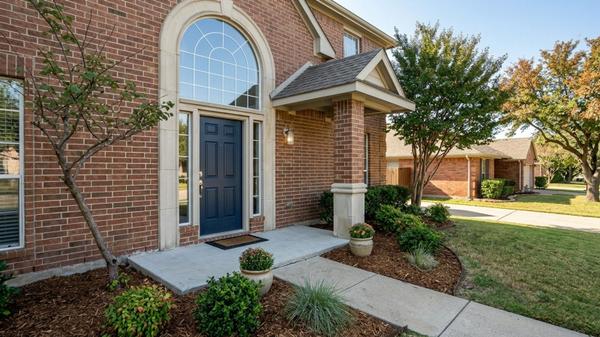
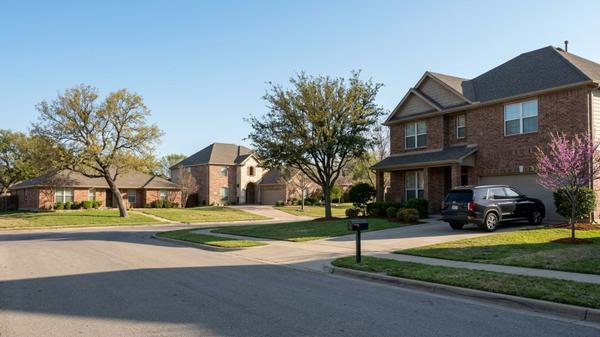
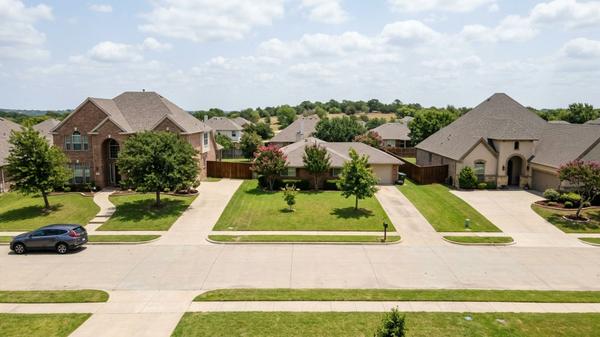
In Flower Mound, choosing a home type is choosing between kinds of single-family houses.
Key takeaway
Nearly every home that sells in Flower Mound is a single-family house, accounting for about 98% of sales in the 90 days ending September 30, 2026. Your real choice is which kind: a newer home in a master-planned community with amenities and HOA dues, an older established subdivision, or acreage on the west side. If low maintenance is the priority, look first at patio homes and 55+ communities, because condos and townhomes come up only a handful at a time.
Who this guide is for
You're shopping for a home in Flower Mound and want to know how much land, house age, and HOA amenity you want before you start touring.
Why Flower Mound is mostly single-family homes
Nearly every home that trades in Flower Mound is a detached house. Of the 259 homes sold in the 90 days ending September 30, 2026, 255 were single-family, leaving just four other sales. Of the 262 active listings, 251 were single-family, leaving 11.
For the bigger picture, see First Time Home Buyer in Flower Mound.
Four attached sales are too few to set a reliable price for condos or townhomes. MLS records also don't report trends for housing types with under 10 sales. The useful way to read this market is by lot size, age and amenities.
Single-family homes in planned communities
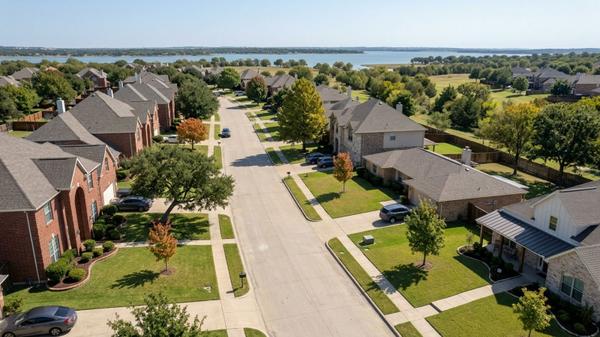
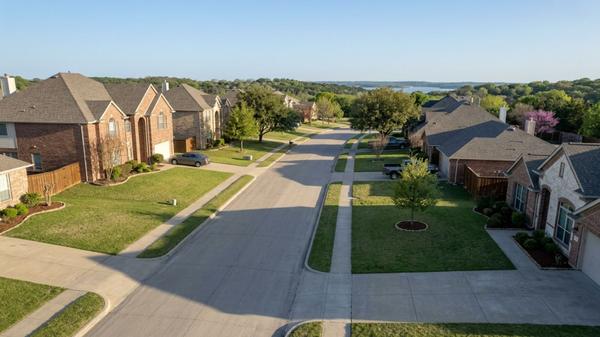
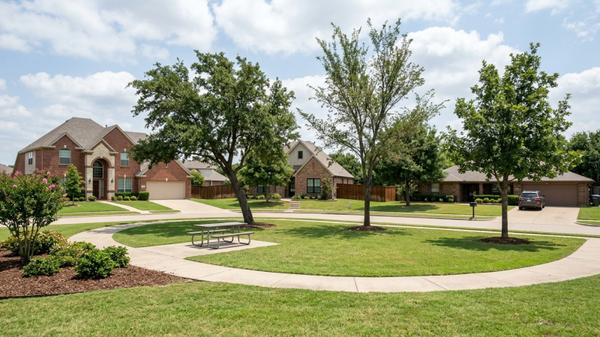
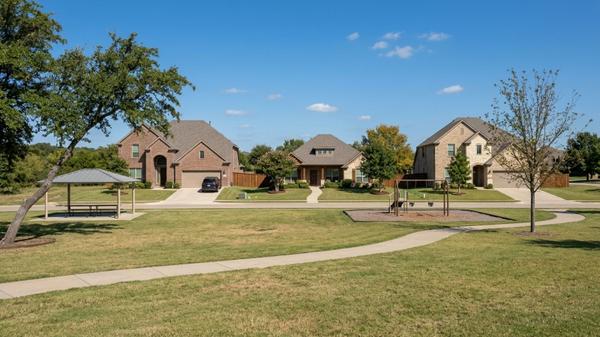
Buyers who want neighborhood pools, walking trails and managed streetscapes pay mandatory HOA dues to fund them. These developments make up much of the town's newer construction. Because the HOA maintains common areas and enforces architectural standards, they hold a consistent look.
Master-planned communities
Canyon Falls is a 1,242-acre master-planned community of newer builds. About 626 acres sit inside Flower Mound and the rest in Northlake and Argyle. It straddles the Argyle and Northwest Independent School Districts, so check the district boundary for a specific address rather than relying on a listing.
The trade-off is that dues and deed restrictions come with the amenities, placing rules on fences, exterior colors and additions.
Golf course communities
Homes laid out along the fairways give you open space behind the yard and views of the greens.
What you give up is any guarantee of club access. Membership is usually separate from HOA dues, so confirm whether it is required or optional before you commit. Course-side lots can also catch stray balls.
Homes near Grapevine Lake
The U.S. Army Corps of Engineers manages the land around Grapevine Lake, so "lake" homes in Flower Mound typically back up to public shoreline rather than private waterfront. The Corps owns "Fee Lands" outright. It also holds the right to flood privately owned "Flowage Easement" lands, generally those below the 572-foot elevation contour. You get trail and lake access, plus views from some higher lots.
The catch is that you generally can't build a private dock or clear the Corps land behind your fence. Before buying near the lake, get a survey showing the Corps boundary and flowage easement line, and ask about shoreline permits.
Single-family homes by lot size and age
If you'd rather not pay for shared pools, your options shift to older neighborhoods with mature trees or larger parcels on the west side. There, you trade amenities and dues for more of your own upkeep.
Acreage and custom estates in western Flower Mound
The Cross Timbers Conservation Development District sets minimum lot sizes in western Flower Mound. Under the base agricultural standards that apply there, the minimum lot area is two acres per home. A conservation development option allows lots as small as 0.75 acres if at least 25% of the lots are one acre or larger, but overall density is still capped at one home per two acres. That zoning gives you privacy, room for outbuildings and space for custom builds. Building your own starts with finding available land that meets these minimums.
More land means more upkeep, and utilities need checking. The town's zoning ordinance bars on-site sewage facilities on lots denser than one home per two acres unless documented extenuating circumstances justify an exception. Confirm sewer or septic and the water source in the seller's disclosure and with the town. Check deed restrictions before buying land intended for outbuildings or animals.
Established subdivisions from the 1980s and 1990s
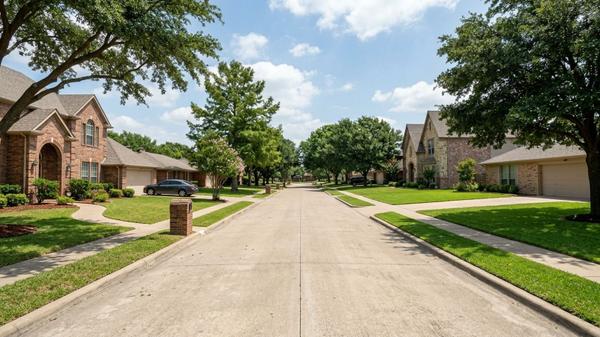
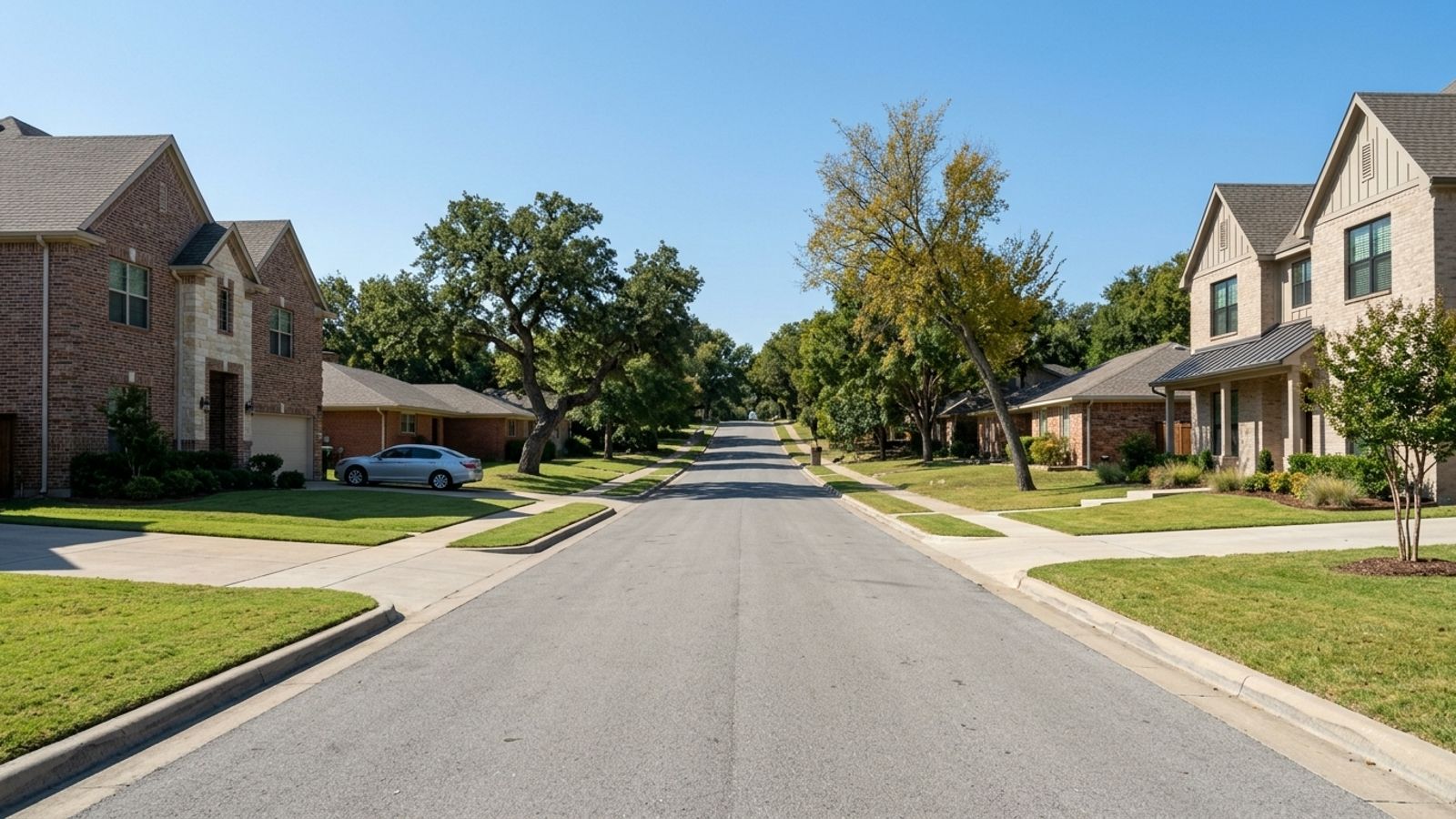
Neighborhoods from the town's earlier growth decades have mature trees, larger yards than many newer tracts and lighter HOA involvement. They let you stay near the single-family median while putting money into interior updates. Compare a listing's price per square foot to the town median to see whether renovation costs are already priced in.
The downside is aging systems: original roofs, older HVAC units and foundation movement on North Texas clay soils. Order a full inspection and a foundation evaluation, and ask for the roof's age and any prior insurance claims.
New construction and build-to-order homes
Buying new gets you current energy codes, a builder warranty and your choice of finishes, with several communities in town selling new phases.
The catch is negotiating power: base prices rarely include the upgrades shown in the model home. Ask for the builder's standard-features list and whether the lot carries any special district assessment.
Townhomes, condos and other low-maintenance homes
Attached homes are scarce. The handful of non-single-family sales and listings counted above is the whole pool, because town ordinances limit where attached housing can be built.
Townhomes and condos
Chapter 98 of the town's Code of Ordinances allows townhomes in Planned Development districts, since the standard zoning districts don't permit them. Lakeside DFW operates under its own Mixed Use District-1 development code. If attached living is a firm requirement, widen your search to neighboring Lewisville.
A pool this small cuts both ways: few homes to choose from now, and few comparable sales to support your price when you resell. If you're using an FHA loan, ask the HOA for its FHA approval status, along with current dues and reserves.
Patio homes
Patio and garden homes are detached, so the listing records count them as single-family. That makes them the most available low-maintenance option in town, with small lots and often HOA-provided yard care.
Small lots put neighbors close, and HOA yard care comes with rules and dues. Confirm in writing exactly which exterior and yard work the HOA covers.
55+ communities
Age-restricted communities offer single-level floor plans and managed exteriors for buyers who meet the requirements.
The catch is that age restrictions shrink the pool of buyers when you sell. Read the age-occupancy and rental rules carefully, including what they say about younger household members.
What each home type costs to buy and own
The median sale price for a single-family home in Flower Mound was $649,741 in the 90 days ending September 30, 2026. The type of home you choose then shapes your ongoing monthly costs.
How price per square foot sets your budget
At a median of $237 per square foot for a single-family home, house size drives price more than home type does. At that rate:
- A 2,000-square-foot home runs about $474,000.
- A 2,800-square-foot house costs roughly $663,600.
- A 3,500-square-foot property comes to about $829,500.
Acreage, lake-adjacent and newly built homes can sit well above that median, and dated homes below it. Use this math as a yardstick, not a firm quote.
How much room you have to negotiate
Single-family homes sold at a median 98.4% of list price after 37 days on the market. On a $650,000 listing, that means roughly $10,000 under asking. Homes that have sat past 37 days give you more room. Still, about 16.3% of single-family homes sold above list price, so don't assume a discount on every listing.
HOA dues and ongoing costs
Planned developments, golf communities and patio homes usually carry higher dues than older subdivisions, while acreage shifts your costs toward property upkeep and utilities. Dues vary by community and can rise over time. Get the current dues, what they cover, the reserve balance and any planned special assessments from the HOA resale certificate. Property taxes vary with your school district and any special district assessment, so estimate them for the specific address. Hail and storms shorten roof life, so pull homeowners insurance quotes during your option period, especially on an older roof.
How to choose a home type in Flower Mound
Four questions point you to the right section:
- Land: If you need more land than a standard suburban lot for privacy, a shop or animals, start with acreage and custom estates in western Flower Mound and weigh the septic and upkeep catch. If not, go to the planned communities.
- Dues: If you'd pay HOA dues for pools, trails and a managed look, read single-family homes in planned communities. If you'd rather keep fixed monthly costs lower, read established subdivisions from the 1980s and 1990s, then HOA dues and ongoing costs.
- Upkeep: If avoiding yard work and exterior upkeep comes first, go to townhomes, condos and other low-maintenance homes and start with patio homes and 55+ communities, because attached listings are few.
- Budget: If your limit is a total price or a monthly payment, use the worked example in how price per square foot sets your budget to turn a target size into a price, then read how much room you have to negotiate.
For a newer house with amenities and dues you're comfortable paying, master-planned communities give you the widest choice, since single-family homes are the bulk of what's for sale. For land, the west side's lot-size rules create parcels the rest of town doesn't have. For mature trees and lower dues near the median, established subdivisions let you test each listing against the town's price per square foot. For low maintenance without waiting on attached listings, patio homes come from the single-family majority rather than the handful of attached sales.
Jay Marks Real Estate can help compare listings across these types and run the numbers on specific properties.
At a glance
- Median sale price, all homes: $642,694 (90 days ending Sept. 30, 2026)
- Median sale price, single-family homes: $649,741 (90 days ending Sept. 30, 2026)
- Year-over-year change in median sale price, single-family homes: +3.5% (90 days ending Sept. 30, 2026)
- Homes sold: 259 all homes, of which 255 were single-family (90 days ending Sept. 30, 2026)
- Active inventory: 262 all homes, of which 251 were single-family (90 days ending Sept. 30, 2026)
- Median price per square foot: $237, all homes and single-family alike (90 days ending Sept. 30, 2026)
- Median days on market, single-family homes: 37 (90 days ending Sept. 30, 2026)
- Sale-to-list ratio, single-family homes: 98.4% (90 days ending Sept. 30, 2026)
- Share sold above list price, single-family homes: 16.3% (90 days ending Sept. 30, 2026)
- Months of supply, single-family homes: 3.0 (90 days ending Sept. 30, 2026)
Flower Mound home types FAQs
Is Flower Mound, Texas an affluent area?
Home prices are high. The all-homes median sale price was $642,694, and acreage and lake-adjacent homes typically run higher.
What home styles are common in Flower Mound?
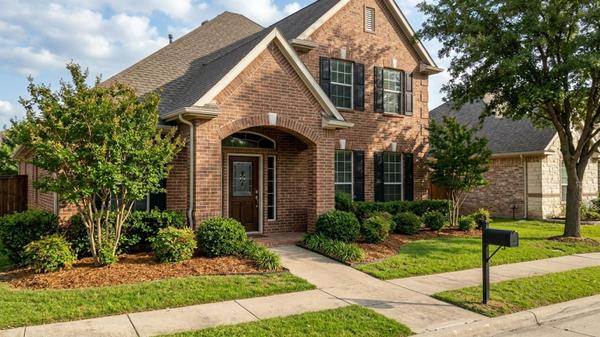
Brick and stone exteriors are common, and the town's Residential Builders Packet requires architectural plans to include masonry percentage calculations. Confirm the exterior materials in the listing and during the inspection.
How much are property taxes on a home in Flower Mound, including a $1 million home?
The combined town and Lewisville ISD tax rate is approximately $1.505077 per $100 of assessed value, about $15,050 on a $1,000,000 home before exemptions. That figure excludes the Denton County rate and any MUD or PID assessment, and the rate differs in a different school district.
Do seniors over 65 have to pay property taxes on a Flower Mound home?
Yes, Texas homeowners 65 and older still pay property taxes, but they qualify for an additional homestead exemption and a school tax ceiling. File with the appraisal district for the property's county to claim them.
What county is Flower Mound, TX in?
Flower Mound sits primarily in Denton County, with a small portion extending into Tarrant County. The county determines which appraisal district values the home and handles your exemptions, so confirm it on the appraisal district record for any address.
Does Flower Mound, Texas get tornadoes?
Yes. The National Weather Service Storm Events Database lists multiple tornado records for Denton County, including an F2 in 1973 and an EF0 near Krum in 2019.
How much does it cost to live in Flower Mound, Texas?
Housing is your largest cost. BestPlaces.net reports that the cost of living in the 75022 zip code is 7.6% higher than the U.S. average, though figures from private rating sites vary widely.
Is now a good time to buy a home in Flower Mound?
The market has 3.0 months of single-family supply, and the median price rose 3.5% over the past year, so prices are rising slowly rather than falling. Your negotiating room comes from a home's condition and its time on the market.
Sources
- Redfin: Data Center
- Town of Flower Mound: Cross Timbers Conservation Development District Update
- Municode: Flower Mound Code of Ordinances
- U.S. Army Corps of Engineers: Grapevine Lake Real Estate
- Town of Flower Mound: Canyon Falls
- Town of Flower Mound: Planned Developments
- Town of Flower Mound: Residential Builders Packet
- Denton County Tax Office: Tax Estimator
- NOAA: Storm Events Database
- BestPlaces: Cost of Living Flower Mound
Categories
Recent Posts